ISBN: 1557504679
ISBN13: 9781557504678
K Boats: Steam-Powered Submarines in World War I
ISBN: 1557504679
ISBN13: 9781557504678
Formats
Conditions
Formats
Conditions
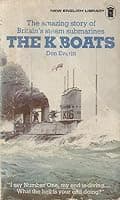
Only today's atomic submarines have outstripped the fabulous twin-funneled K boats--the biggest, fastest submarines of World War I. But no other class of warship suffered so much calamity and controversy. Authorized by Churchill, these steam-powered submarines were the best-concealed debacle in British naval history. Their crews called themselves the suicide club and in this authoritative documentary their story is vividly reconstructed.
Built secretly to meet a threat that existed only in the minds of the flag officers, the so-called submersible destroyers suffered an unprecedented series of accidents from the day they began their trials. Six sank with an appalling death toll. The forty-seven men of K 13 were luckier. They were rescued after fifty-seven hours trapped underwater. During the Battle of May Island when British ships carved through their own K flotillas one night, two K boats sank, two were crippled, and a cruiser lost her bows. Then there was the mysterious disappearance of K 5 in the Atlantic. All told, not one K boat escaped. The product of two years' research, this fascinating book looks for answers to what went wrong during the series of dreadful mishaps described.
The K-Boats were an attempt to build a fleet of "underwater cruisers"-- huge submarines that could travel on the surface and operate with surface vessels, rather than alone (as had been the norm) and then dive to attack, thus increasing protection of the surface vessels. The key was that they were equipped with steam powered surface turbines rather than standard diesel engines (but were equipped with electric motors for undersea use.) The "Ks" were the largest, most powerful submarines built until the advent of the nuclear boat fleets in the 1950s. The vessels were plagued with disasters-- crewmembers were killed in virtually all of them. They had been posted to picket duties, with the result that the crews were bored with little to do; they were undertrained and the submarines incorporated technology that was completely unfamiliar. This book traces the boats from their genesis to their end. They were originally planned to counter Germany's high speed, ocean-going submarines. After WWI, when the files of the German High Seas Fleet were investigated by the British, they found that Germany had no such submarines and had never planned any. The K Boats were developed to counter a threat which had never existed at all. Readers with an interest in naval submarine history and the way in which politics determines naval decision making should read this book. In addition to text it contains a host of photographs of K Boats underway and a fold-out of a schematic of a K. An excellent read.
This is a concise and highly interesting book of a time of early submarine development and the ill fated K Boats. My Grandfather Stoker 1st Class Henry Fulcher was one of the few survivors following a collision at night during the Battle of May Island (Jan 31st 1918) where his submarine(K17) was rammed and sunk by one of our own ships (HMS Fearless). There were 9 survivors and there would have been more if our own destroyers were aware of them in the water that fateful night and did not mow them down !