


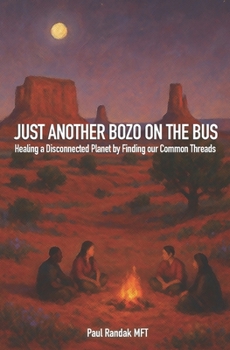
Just Another Bozo On The Bus: Healing a Disconnected Planet by Finding Common Treads

Just Another Bozo on the Bus is a guide to healing disconnection in our society by finding common ground and embracing our shared humanity. The title metaphor represents the central theme of the book: we're all fellow travelers on life's journey, each with our own struggles, yet fundamentally connected.
The book explores themes of addiction, disconnection, shame, personal accountability, and transformation. Randak frames addiction not as a moral failing or disease, but as a symptom of deeper disconnection from oneself, others, and meaningful purpose. He argues that "the opposite of addiction isn't sobriety; it's connection."Key concepts throughout the book include:
Common Humanity: Recognizing that we're all "just bozos on the bus" - imperfect humans sharing a journey together - which helps reduce isolation and shameThe Disconnection Problem: Exploring how modern society, especially digital technology, has created unprecedented levels of isolation despite apparent connectivityConfirmation Bias: Examining how we seek information that confirms existing beliefs while filtering out contradictory evidence, creating echo chambers that reinforce addictive patternsThe Victim Narrative: How seeing oneself as powerless perpetuates suffering and prevents genuine changeShame and Self-Compassion: Understanding how toxic shame fuels addictive patterns and how self-compassion creates pathways to healingPersonal Accountability: Taking responsibility for our choices as the foundation for transformationMultiple Pathways to Recovery: Acknowledging various approaches to healing, including traditional and alternative methodsThrough a blend of neuroscience, psychology, personal anecdotes, and wisdom traditions, Randak offers a holistic approach to recovery and growth. He encourages readers to move beyond binary thinking and embrace the full complexity of human experience.
The final chapters focus on practical applications-from bridging social and political divides to navigating our relationship with technology and rediscovering joy, playfulness, and meaning.Throughout, Randak maintains that healing happens when we remember we're all just fellow travelers-finding wholeness not through perfection, but through connection, compassion, and the courage to be fully human.
Customer Reviews
ThriftBooks ® and the ThriftBooks ® logo are registered trademarks of Thrift Books Global, LLC
