


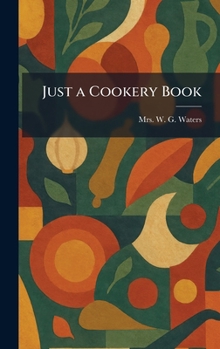
Just a Cookery Book

"Just a Cookery Book" provides a delightful and practical exploration of traditional culinary arts, offering a curated selection of recipes that emphasize clarity, simplicity, and taste. Written by Mrs. W. G. Waters, this volume serves as a comprehensive guide for those looking to master the fundamentals of the kitchen while exploring the nuances of classic British and European-inspired dishes.
The work covers a diverse array of categories, including soups, fish, meats, vegetables, and sweets, each presented with the author's characteristic attention to detail. Rather than overwhelming the reader with complexity, the text focuses on the essential techniques and flavors that define high-quality home cooking. It remains an invaluable resource for culinary enthusiasts and historians alike, providing insight into the gastronomic preferences and domestic practices of the early 20th century. Whether seeking historical context or timeless recipes, readers will find "Just a Cookery Book" to be an elegant testament to the enduring appeal of well-prepared food.
This work has been selected by scholars as being culturally important, and is part of the knowledge base of civilization as we know it. This work was reproduced from the original artifact, and remains as true to the original work as possible. Therefore, you may see the original copyright references, library stamps (as most of these works have been housed in our most important libraries around the world), and other notations in the work.
This work is in the public domain in the United States of America, and possibly other nations. Within the United States, you may freely copy and distribute this work, as no entity (individual or corporate) has a copyright on the body of the work.
As a reproduction of a historical artifact, this work may contain missing or blurred pages, poor pictures, errant marks, etc. Scholars believe, and we concur, that this work is important enough to be preserved, reproduced, and made generally available to the public. We appreciate your support of the preservation process, and thank you for being an important part of keeping this knowledge alive and relevant.
Customer Reviews
ThriftBooks ® and the ThriftBooks ® logo are registered trademarks of Thrift Books Global, LLC
