


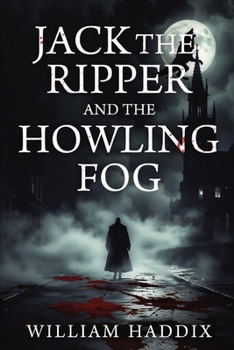
Jack the Ripper and the Howling Fog

Jack the Ripper and the Howling Fog
In the fog-choked streets of Whitechapel, 1888, something is opening bodies with surgical precision.
The victims are found with their throats severed to the bone, their abdomens emptied, and their organs arranged with deliberate care. But it is not the mutilations that linger in the mind of those who find them. It is the blood. The dark, iron-rich stains that soak into the cobblestones and never fully wash away. With every new vessel, the stain deepens, as if the streets themselves are remembering.
A cloaked figure moves through the pea-soup fog with cold, methodical purpose. He does not hunt in frenzy. He works. He studies. And with each killing, the fog grows thicker, carrying the metallic taste of blood and the wet, tearing sounds of flesh parting under a skilled hand.
As panic grips the East End and the name Jack the Ripper spreads like infection, the killings escalate into something far more savage. On one final, blood-soaked night, the streets become a slaughterhouse. And as the last body cools among the others, a witness looks up through the fog and sees something impossible on the tallest spire in Whitechapel - a shape that should not exist, howling into the night.
When the fog finally lifts, the murders stop.
But on certain nights, when the gray returns and the stain in the old courts grows darker, a low, wet howl can still be heard drifting down from the rooftops.
Some say Jack the Ripper vanished into the fog forever. Others believe something else took his place.
Customer Reviews
ThriftBooks ® and the ThriftBooks ® logo are registered trademarks of Thrift Books Global, LLC
