
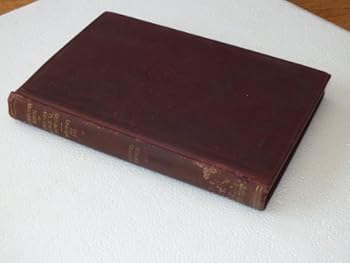
"Introduction to Physiological Chemistry" serves as a comprehensive and systematic overview of the chemical foundations of biological life. Written by Meyer Bodansky and Marion S. Fay, this seminal work explores the intricate relationships between chemistry and physiology, focusing on the composition of living matter and the transformations it undergoes. The text meticulously details the properties of carbohydrates, lipids, and proteins, while providing in-depth analysis of enzymes, digestion, and the metabolism of essential nutrients.
This classic text is designed to bridge the gap between pure organic chemistry and the complex functional processes of the human body. It covers critical topics such as blood chemistry, respiration, internal secretions, and the excretion of waste products. By emphasizing the experimental basis of physiological chemistry, the authors offer readers a rigorous look at the scientific methodology of the early 20th century. Ideal for students of medicine, biology, and chemistry, this work remains a significant historical resource for understanding the evolution of biochemical knowledge and the fundamental principles that govern the chemical economy of the living cell.
This work has been selected by scholars as being culturally important, and is part of the knowledge base of civilization as we know it. This work was reproduced from the original artifact, and remains as true to the original work as possible. Therefore, you may see the original copyright references, library stamps (as most of these works have been housed in our most important libraries around the world), and other notations in the work.
This work is in the public domain in the United States of America, and possibly other nations. Within the United States, you may freely copy and distribute this work, as no entity (individual or corporate) has a copyright on the body of the work.
As a reproduction of a historical artifact, this work may contain missing or blurred pages, poor pictures, errant marks, etc. Scholars believe, and we concur, that this work is important enough to be preserved, reproduced, and made generally available to the public. We appreciate your support of the preservation process, and thank you for being an important part of keeping this knowledge alive and relevant.

