


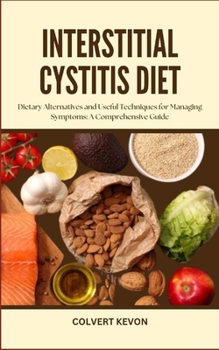
Interstitial Cystitis Diet: Dietary Alternatives and Useful Techniques for Managing Symptoms: A Comprehensive Guide
No Customer Reviews

A persistent disorder that causes pain or discomfort in the pelvic area and the bladder, interstitial cystitis (IC) is sometimes called painful bladder syndrome. While the bladder is the most common organ affected, other sections of the urinary system are not immune to this complicated condition.
While researchers have yet to pinpoint a single reason for interstitial cystitis, they do believe that it stems from a complex interplay between nerve abnormalities, immunological reactions, dysfunction of the protective lining of the bladder, and abnormalities in the bladder itself. Infectious complications are more prevalent in women than in men.
Interstitial cystitis symptoms might differ from person to person, but often include:
- Incontinence of pelvic discomfort
- Having to urinate quickly and often3. Experiencing pain when urinating (dysuria)
- Discomfort or pressure from the ladder
- Discomfort in the pelvis or lower belly
- Experiencing discomfort while having a sexual encounter
- Symptoms that are exacerbated by specific meals or beverages, emotional distress, or the menstrual cycle
Due to the lack of a conclusive test, interstitial cystitis can be difficult to diagnose. The process often includes a thorough evaluation of the patient's medical history, a physical examination, diagnostic testing for urine and other bodily fluids, and, in certain cases, a cystoscopy to see into the bladder using a tiny camera.
Relieving symptoms and enhancing quality of life are the goals of treatment for interstitial cystitis. Medication (including pain relievers, bladder relaxants, or medications to repair the bladder lining), physical therapy, dietary changes, bladder instillations (the process of placing medication directly into the bladder), nerve stimulation techniques, and, in extreme cases, surgery may all be part of the treatment plan.
Because interstitial cystitis lasts a long time and affects different people in different ways, there is no one-size-fits-all approach to managing the condition. Patients with interstitial cystitis can benefit from collaborating with urologists and urogynecologists to determine the best course of treatment.
While researchers have yet to pinpoint a single reason for interstitial cystitis, they do believe that it stems from a complex interplay between nerve abnormalities, immunological reactions, dysfunction of the protective lining of the bladder, and abnormalities in the bladder itself. Infectious complications are more prevalent in women than in men.
Interstitial cystitis symptoms might differ from person to person, but often include:
- Incontinence of pelvic discomfort
- Having to urinate quickly and often3. Experiencing pain when urinating (dysuria)
- Discomfort or pressure from the ladder
- Discomfort in the pelvis or lower belly
- Experiencing discomfort while having a sexual encounter
- Symptoms that are exacerbated by specific meals or beverages, emotional distress, or the menstrual cycle
Due to the lack of a conclusive test, interstitial cystitis can be difficult to diagnose. The process often includes a thorough evaluation of the patient's medical history, a physical examination, diagnostic testing for urine and other bodily fluids, and, in certain cases, a cystoscopy to see into the bladder using a tiny camera.
Relieving symptoms and enhancing quality of life are the goals of treatment for interstitial cystitis. Medication (including pain relievers, bladder relaxants, or medications to repair the bladder lining), physical therapy, dietary changes, bladder instillations (the process of placing medication directly into the bladder), nerve stimulation techniques, and, in extreme cases, surgery may all be part of the treatment plan.
Because interstitial cystitis lasts a long time and affects different people in different ways, there is no one-size-fits-all approach to managing the condition. Patients with interstitial cystitis can benefit from collaborating with urologists and urogynecologists to determine the best course of treatment.
Format:Paperback
Language:English
ISBN13:9798320977928
Release Date:March 2024
Publisher:Independently Published
Length:94 Pages
Weight:0.22 lbs.
Dimensions:0.2" x 5.0" x 8.0"
Customer Reviews
0 rating
Copyright © 2026 Thriftbooks.com
Terms of Use | Privacy Policy | Do Not Sell/Share My Personal Information | Cookie Policy | Cookie Preferences | Accessibility Statement
ThriftBooks ® and the ThriftBooks ® logo are registered trademarks of Thrift Books Global, LLC
ThriftBooks ® and the ThriftBooks ® logo are registered trademarks of Thrift Books Global, LLC
