


All Formats & Editions
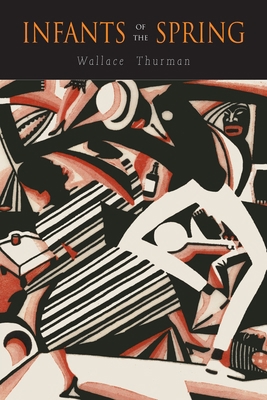
Infants of the Spring
2020 Reprint of the 1932 Edition. Thurman is perhaps best known for this novel, which is a satire of what he believed were the overrated creative figures of the Harlem scene. Some reviewers welcomed Thurman's bold insight, while others vilified him as a racial traitor. A thinly...
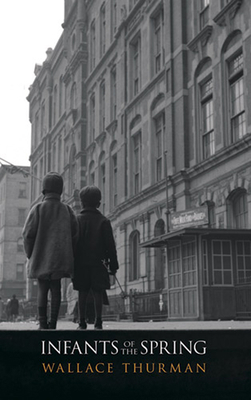
Infants of the Spring
" T]his delightful roman clef about the Harlem Renaissance reflects . . . many of the competing notions of its time -- between the masses and individuality, between art and uplift, between civilization and primitivism, between separatism and assimilation." -- Kirkus Reviews
This...
Infants of the Spring
Published to mixed reception, Wallace Thurman's Infants of the Spring is a controversial take on the realities of Black life in the shadow of a cultural boom. "'...you're right. I was frightened. After all I had never seen a Negro before in my life, that is, not over...
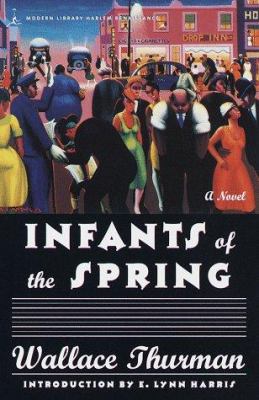
Infants of the Spring
Revised

Infants of the Spring (Lost American Fiction)
In this satire which shows the role of black writers and artists during the American Renaissance of the 1920s, Wallace Thurman proved himself to be a black writer who suffered no fools of any color, a modern satirist who, as republication here shows, was very much...

Infants of the Spring (AmazonClassics Edition)
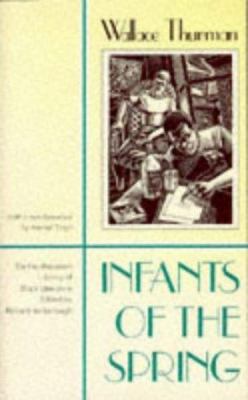
Infants of the Spring
This roman clef centers on Niggeratti Manor, fashioned after the Harlem rooming house in which Wallace Thurman once lived with other black artists and writers. Thurman's second novel is one of the most potent satires of the Harlem Renaissance and a retort to the idealized vision...
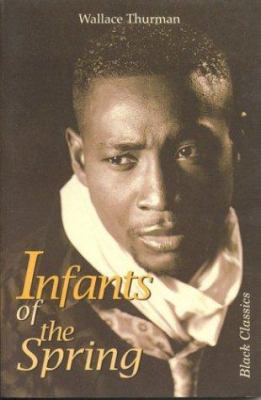
Infants of the Spring
Set in Harlem at the time of the jazz age and The Cotton Club, this second novel by the author of The Blacker the Berry is a biting satire that centres around Niggeratti Manor, where the talented and ambitious novelist Raymond Taylor is suffering writer's block. As funny as it...

Infants of the Spring
A satirical novel of the Harlem Renaissance.
Infants of the Spring
Infants of the Spring
Infants of the Spring
Published to mixed reception, Wallace Thurman's Infants of the Spring is a controversial take on the realities of Black life in the shadow of a cultural boom. "'...you're right. I was frightened. After all I had never seen a Negro before in my life, that is, not over...
ThriftBooks ® and the ThriftBooks ® logo are registered trademarks of Thrift Books Global, LLC
