


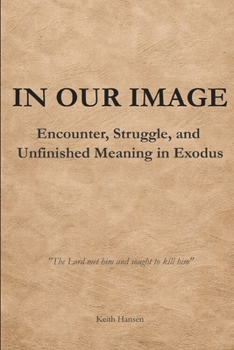
In Our Image: Encounter, Struggle, and Unfinished Meaning in Exodus

In Our Image: ... Exodus is not a Christian devotional, theological defense, or statement of belief.
It is a contemplative reading of the Exodus narrative that approaches the text as unsettling, unresolved, and deeply consequential. Rather than presenting Exodus as a story of triumph or moral clarity, this book lingers with its tensions: a dangerous encounter with the divine, a people overwhelmed by freedom, and a presence that must be mediated to be survived.
Have you ever wondered why the God of Exodus feels so different from the God you were taught to expect?
Have you sensed that this text resists comfort, intimacy, and certainty, but were never given permission to sit with that discomfort?
This second volume in the In Our Image series is written for readers who approach scripture with curiosity rather than allegiance. It treats Exodus not as a blueprint for faith, but as a record of encounter and aftermath-a story shaped by fear, distance, command, and the struggle to live with what has been revealed.
Moving through liberation, wilderness, law, and silence, this book reads Exodus through symbolic, psychological, ecological, and historical lenses. Familiar moments-the burning bush, Sinai, the law, the golden calf-are revisited without the pressure to harmonize contradictions or defend doctrine. Instead, the text is allowed to remain strange, dangerous, and unfinished.
This book may resonate with:
readers interested in non-literal or symbolic approaches to scripture
those drawn to the psychological and cultural dimensions of religious texts
seekers unsettled by traditional religious frameworks but still compelled by biblical stories
readers who sense that meaning often emerges through struggle rather than certainty
This book may not be a good fit for readers seeking:
traditional Christian teaching or devotional material
doctrinal clarity or theological reassurance
a moralized or harmonized reading of Exodus
faith-affirming or apologetic interpretation
In Our Image: Exodus does not attempt to explain God or resolve the story it inherits. It invites readers to remain with a text that refuses intimacy, demands distance, and leaves its meaning unfinished-asking not what should be believed, but what it costs to encounter something that cannot be controlled.
Customer Reviews
ThriftBooks® and the ThriftBooks® logo are registered trademarks of Thrift Books Global, LLC
