


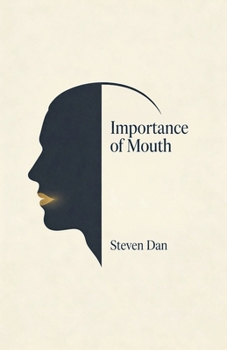
Importance of Mouth

The mouth, as a physical organ, serves fundamental biological functions: ingestion, respiration, and articulation.
Yet, in the realm of philosophy, particularly within moral themes, the mouth transcends its corporeal role to become a profound symbol and instrument of ethical agency.
From ancient wisdom traditions to contemporary ethical discourse, the mouth embodies the intersection of body and soul, action and intention, expression and restraint.
This book explores the multifaceted importance of the mouth in moral philosophy, examining its role in speech as a vehicle for truth and deception, in consumption as a metaphor for ethical moderation, in silence as a virtue of prudence, and in relational ethics through acts like kissing or cursing.
Drawing on thinkers from Plato to Levinas, we will uncover how the mouth functions not merely as a gateway to the body but as a portal to moral responsibility.
At its core, moral philosophy concerns the right conduct of human life, often framed by questions of virtue, duty, and consequence.
The mouth, being the primary organ of verbal communication, is central to these inquiries. Words spoken-or withheld-can build communities or incite wars, foster empathy or perpetuate harm.
This book explores the multifaceted importance of the mouth in moral philosophy, examining its role in speech as a vehicle for truth and deception, in consumption as a metaphor for ethical moderation, in silence as a virtue of prudence, and in relational ethics through acts like kissing or cursing.
Customer Reviews
ThriftBooks ® and the ThriftBooks ® logo are registered trademarks of Thrift Books Global, LLC
