


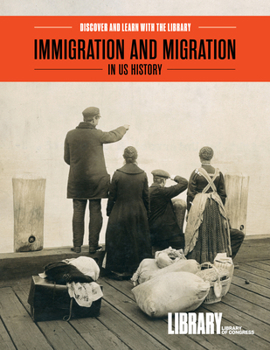
Immigration and Migration in Us History
No Customer Reviews

The history of the United States, including its culture, economy, and political life, has been shaped by the movement of people and communities, both those who came to its shores and those who moved within its borders. Immigration and Migration in US History shares an array of primary sources that provide opportunities for learners to explore many different aspects of the topic, offering classroom-ready materials for teachers, librarians, and home educators working with grades 6-12. Part of "Discover and Learn with the Library," an educational series published by the Library of Congress in association with the American Library Association, this resource
combines full-color facsimiles of primary sources from the Library's unparalleled collections with source citations, information about the sources' origins, teaching strategies, and guides to additional online resources;features perforated pages on each primary source for ease of sharing;explores important legislation, treaties, and other government policies on the subject, including the Homestead Act (1862), the Dawes Act (1887), and the Immigration Acts of 1924 and 1965;highlights fascinating primary sources, from classified advertisements seeking formerly enslaved family members after the Civil War to oral history interviews with immigrants in the early twentieth century, that enable learners to immerse themselves in individual and group experiences of immigration, migration, and relocation;presents a rich mosaic of photographs, political cartoons, and other visual materials that document people who immigrated or migrated to create communities and build new lives; andcan serve as a springboard to prompt learners to research their own family and community histories.Format:Paperback
Language:English
ISBN:B0H1QBMFYF
ISBN13:9798892552691
Release Date:June 2026
Publisher:ALA Editions
Length:96 Pages
Weight:0.52 lbs.
Dimensions:0.2" x 8.3" x 10.8"
Customer Reviews
0 rating
Copyright © 2026 Thriftbooks.com
Terms of Use | Privacy Policy | Do Not Sell/Share My Personal Information | Cookie Notice | Cookie Preferences | Accessibility Statement
ThriftBooks ® and the ThriftBooks ® logo are registered trademarks of Thrift Books Global, LLC
ThriftBooks ® and the ThriftBooks ® logo are registered trademarks of Thrift Books Global, LLC
