


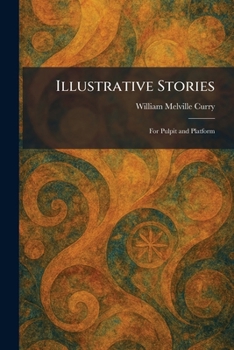
Illustrative Stories: For Pulpit and Platform

Select Format
Select Condition 
Book Overview
"Illustrative Stories, for Pulpit and Platform" is a comprehensive collection of narratives and anecdotes designed specifically for use by ministers, public speakers, and educators. Compiled by William Melville Curry, this work serves as a practical resource for those looking to enhance their sermons or speeches with engaging, relatable examples that clarify complex theological or moral concepts.
The volume features a wide array of stories ranging from historical accounts to contemporary observations, each selected for its ability to illustrate a particular virtue or spiritual lesson. By providing a bridge between abstract ideas and human experience, these illustrations help orators connect more deeply with their audiences and leave a lasting impression. Whether used for religious services, community gatherings, or educational lectures, the material in this collection remains a valuable tool for effective communication and persuasive speaking.
This classic handbook reflects the timeless importance of storytelling in the art of rhetoric, offering a wealth of material for anyone dedicated to the craft of the spoken word and the dissemination of spiritual truth.
This work has been selected by scholars as being culturally important, and is part of the knowledge base of civilization as we know it. This work was reproduced from the original artifact, and remains as true to the original work as possible. Therefore, you may see the original copyright references, library stamps (as most of these works have been housed in our most important libraries around the world), and other notations in the work.
This work is in the public domain in the United States of America, and possibly other nations. Within the United States, you may freely copy and distribute this work, as no entity (individual or corporate) has a copyright on the body of the work.
As a reproduction of a historical artifact, this work may contain missing or blurred pages, poor pictures, errant marks, etc. Scholars believe, and we concur, that this work is important enough to be preserved, reproduced, and made generally available to the public. We appreciate your support of the preservation process, and thank you for being an important part of keeping this knowledge alive and relevant.
Customer Reviews
ThriftBooks ® and the ThriftBooks ® logo are registered trademarks of Thrift Books Global, LLC
