


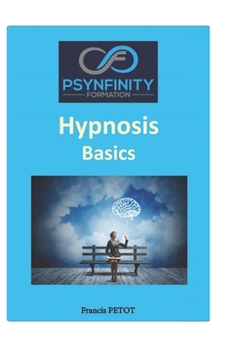
Hypnosis: Basics

Basics of Hypnosis
This handbook is a structured course designed to teach you how to practise hypnosis professionally, safely and ethically. It covers all the essential foundations: definitions, theories, techniques and application.
Hypnosis is defined as an altered state of consciousness in which the subject can respond effectively to suggestions. Several theoretical models are presented (altered state of consciousness, voluntary interaction, role-play, etc.), highlighting the diversity of approaches.
The manual emphasises suggestibility-the ability to respond to suggestions-which is assessed through tests (stuck hands, arm levitation, the pendulum, etc.). These tests help to tailor induction techniques to the client's profile (permissive or authoritarian).
The book describes the stages of a classic hypnotic induction (preparation, induction, deepening, awakening), and explains the different levels of trance (Arons scale), ranging from light to deep, each suited to specific objectives (simple suggestion, anaesthesia, hallucinations).
Detailed chapters are devoted to key concepts such as:
Self-hypnosis (3 weeks of exercises), Age regression (emotional release), Medical history and therapeutic relationship, Language models (Milton, metaphors, meta-programmes), Stress management, anxiety and pain, Ethical precautions (particularly regarding psychological risks, ethical considerations and respect for professional boundaries).In short, this course provides training in a serious and rigorous practice of hypnosis, focused on client safety, technical precision and the hypnotist's ability to adapt.
Customer Reviews
ThriftBooks ® and the ThriftBooks ® logo are registered trademarks of Thrift Books Global, LLC
