


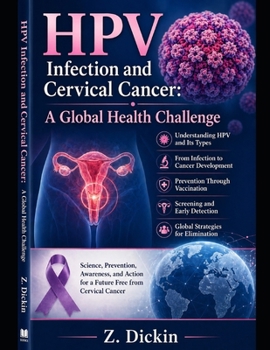
HPV Infection and Cervical Cancer: A Global Health Challenge

Among the many infectious agents that affect human health, viruses have played a particularly significant role in the development of several chronic diseases and cancers. One of the most important of these viruses is the Human Papillomavirus (HPV), a group of highly prevalent viruses that infect epithelial tissues of the skin and mucous membranes. HPV infection represents one of the most common viral infections worldwide and has profound implications for global public health.
HPV is a small, non-enveloped DNA virus that belongs to the Papillomaviridae family. More than 200 types of HPV have been identified, each with distinct biological characteristics and disease associations. While many HPV infections are harmless and resolve naturally without causing symptoms, certain types are classified as high-risk because of their ability to cause cancer. Persistent infection with high-risk HPV types is now recognized as the primary cause of cervical cancer, a disease that continues to affect millions of women around the world.
The relationship between HPV and cervical cancer was firmly established through the pioneering work of Harald zur Hausen, whose research demonstrated that specific HPV types are responsible for the majority of cervical cancer cases. This groundbreaking discovery transformed scientific understanding of cervical carcinogenesis and opened new pathways for prevention, diagnosis, and treatment. The importance of this work was acknowledged internationally and has greatly influenced modern cancer research and prevention strategies.
Cervical cancer arises in the cells of the cervix, the lower portion of the uterus that connects to the vagina. It is one of the most common cancers affecting women globally, particularly in low- and middle-income countries where access to screening and healthcare services may be limited. According to global health estimates, hundreds of thousands of new cervical cancer cases are diagnosed each year, and a significant number of women die from the disease annually. Despite being largely preventable, cervical cancer remains a major public health concern.
The strong connection between HPV infection and cervical cancer highlights the importance of understanding the biology, transmission, and prevention of HPV. HPV is primarily transmitted through intimate skin-to-skin contact, most commonly through sexual activity. Because the virus is highly contagious and often asymptomatic, many individuals may carry and transmit the virus without being aware of it. In most cases, the immune system clears the infection naturally within a few years. However, in some individuals, the virus persists and can cause cellular changes that may eventually progress to cancer.
Among the numerous HPV types identified, a small group is classified as high-risk types due to their strong association with cancer development. Two of the most significant high-risk types are Human Papillomavirus type 16 and Human Papillomavirus type 18, which together account for the majority of cervical cancer cases worldwide. These viruses produce proteins that interfere with normal cell regulatory mechanisms, leading to uncontrolled cell growth and the potential development of malignant tumors.
One of the most remarkable achievements in modern medical science is the development of vaccines that can prevent infection with the most dangerous HPV types. Vaccination programs introduced in many countries have demonstrated remarkable success in reducing HPV infections and precancerous lesions. Global health organizations such as the World Health Organization strongly recommend HPV vaccination as a key strategy for preventing cervical cancer.
Related Subjects
Medical Medical Books Science Science & Math Science & Scientists Science & TechnologyCustomer Reviews
ThriftBooks ® and the ThriftBooks ® logo are registered trademarks of Thrift Books Global, LLC
