


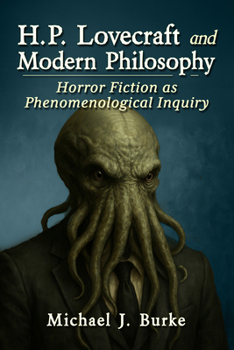
H.P. Lovecraft and Modern Philosophy: Horror Fiction as Phenomenological Inquiry

H.P. Lovecraft's imagery consistently reaches towards the ineffable. From conjuring monstrosities that violate natural law to cosmic immensities that defy human comprehension, his fictional landscapes often inspire visceral dread in the reader because of the experience of confronting the unknowable. Situating this literary study alongside modern philosophical phenomenology reveals unexpected parallels between Lovecraft's work and thinkers such as Martin Heidegger, Maurice Merleau-Ponty and Emmanuel Levinas. These philosophers sought to let existence, embodiment, alterity and technological modernity speak for themselves, mirroring Lovecraft's practice of stripping anthropocentric worldviews from his work. Through studying recurring motifs of monstrous entities, alien possession, dream incursions and anxieties around technological advancement in relation to philosophical thought, this work explores how Lovecraft's fiction intentionally positions humanity at the fringes of a vast, indifferent cosmos.
Customer Reviews
ThriftBooks ® and the ThriftBooks ® logo are registered trademarks of Thrift Books Global, LLC
