


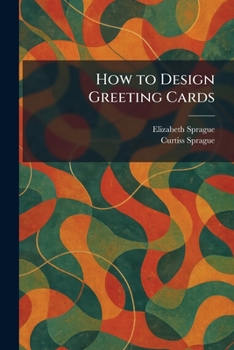
How to Design Greeting Cards

"How to Design Greeting Cards" is a comprehensive guide to the art of creating personalized and professional-quality cards for various occasions. Written by Elizabeth and Curtiss Sprague, this instructional work explores the intricate creative process behind designing cards for holidays, birthdays, and special events. The book provides practical advice on composition, lettering, and the effective use of color, making it an essential resource for aspiring illustrators and graphic designers.
Throughout the text, readers are introduced to the fundamental principles of design as applied specifically to the greeting card industry. The authors cover a wide range of techniques, from the initial stages of sketching and conceptualization to the final execution of the artwork. By focusing on both the aesthetic and commercial aspects of card design, the work serves as a practical manual for those looking to master this unique form of graphic expression during a pivotal era of commercial art.
Whether for personal projects or professional development, "How to Design Greeting Cards" offers timeless insights into the world of illustration and papercrafts. Its emphasis on clarity, creativity, and the joy of sending personal messages makes it a valuable addition to the library of any artist, historian of design, or craft enthusiast.
This work has been selected by scholars as being culturally important, and is part of the knowledge base of civilization as we know it. This work was reproduced from the original artifact, and remains as true to the original work as possible. Therefore, you may see the original copyright references, library stamps (as most of these works have been housed in our most important libraries around the world), and other notations in the work.
This work is in the public domain in the United States of America, and possibly other nations. Within the United States, you may freely copy and distribute this work, as no entity (individual or corporate) has a copyright on the body of the work.
As a reproduction of a historical artifact, this work may contain missing or blurred pages, poor pictures, errant marks, etc. Scholars believe, and we concur, that this work is important enough to be preserved, reproduced, and made generally available to the public. We appreciate your support of the preservation process, and thank you for being an important part of keeping this knowledge alive and relevant.
Customer Reviews
ThriftBooks ® and the ThriftBooks ® logo are registered trademarks of Thrift Books Global, LLC
