


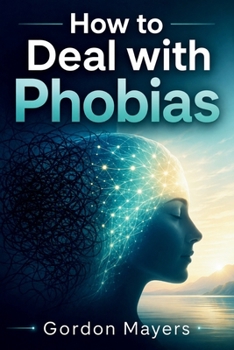
How to Deal with Phobias

Fear doesn't mean you're weak. It means your brain has learned to protect you-sometimes a little too well.
A racing heart. Tightness in your chest. The urge to escape. Avoiding elevators, airplanes, animals, crowds, heights, medical appointments, or situations other people seem to handle effortlessly.
Phobias can make your world feel smaller and smaller.
But fear is not a character flaw-and you are not powerless against it.
How to Deal with Phobias takes you beyond simplistic advice like "just face your fear" and reveals what is actually happening inside your brain, body, and nervous system when a phobia takes control.
Using a practical, science-focused approach, Gordon Mayers explores how fear responses are learned, reinforced, and maintained-and, most importantly, how they can gradually be retrained.
Inside this comprehensive guide, you'll discover:
- Why your brain can trigger intense fear even when you logically know you are safe
- How the amygdala, nervous system, and learned fear associations influence phobic reactions
- Why avoidance can unintentionally make fears stronger over time
- How neuroplasticity allows the brain to create new, safer patterns
- How sleep, nutrition, movement, stress, and lifestyle can influence anxiety and nervous system regulation
- Practical breathing techniques you can use when fear begins to rise
- How to recognize catastrophic thinking and challenge distorted threat predictions
- How progressive muscle relaxation and somatic awareness can reduce physical tension
- How to create a personalized fear and trigger map
- How to build a gradual exposure hierarchy without overwhelming yourself
- How mindfulness and acceptance can change your relationship with anxious thoughts and sensations
- How to navigate setbacks without believing you have failed
- When professional support may be helpful
- How to turn temporary progress into long-term habits and greater freedom
Rather than treating recovery as a test of courage, How to Deal with Phobias approaches it as a process of nervous system retraining.
You'll learn how small, repeated experiences of safety can gradually compete with old fear associations-and how practical daily habits can create a stronger foundation for exposure, emotional regulation, and resilience.
Whether your fear has been with you for months or decades, recovery does not require becoming fearless.
It means learning that fear no longer has to make your decisions for you.
Understand your fear. Retrain your response. Reclaim the parts of your life anxiety has been controlling.
If you are ready to stop organizing your life around avoidance and begin building a calmer, more resilient relationship with fear, How to Deal with Phobias can help you take the next step.
Customer Reviews
ThriftBooks ® and the ThriftBooks ® logo are registered trademarks of Thrift Books Global, LLC
