


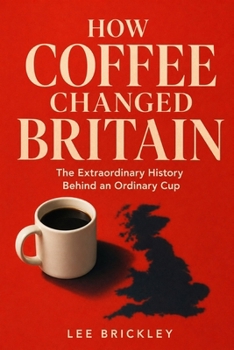
How Coffee Changed Britain: The Extraordinary History Behind an Ordinary Cup

Britain thinks it runs on tea. Coffee tells a much stranger story.
For four centuries, an ordinary cup has been quietly turning up wherever British life was changing.
When coffee first arrived in England, it was so strange that sellers had to explain what it was and persuade people why they might possibly want to drink it. Before long, coffee houses were buzzing with news, politics, argument and business. The government worried about what people were saying inside them, merchants used them to exchange information, and one coffee-house keeper called Edward Lloyd gave his name to an institution that would become famous around the world.
But the history of coffee in Britain is much bigger than seventeenth-century coffee houses.
It is the story of Victorian campaigners trying to tempt people away from the pub, Camp Coffee in the cupboard, hissing espresso machines, Italian caf s, Soho jukeboxes and skiffle, teenagers discovering somewhere adults were not in charge, the Great British caff and coffee on the motorway.
Then came instant coffee beside the kettle, the coffee break at work, percolators and vending machines, the Gold Blend romance, cappuccino on the British high street, Starbucks and Costa, takeaway cups, flat whites, pod machines and laptops taking over caf tables.
And somewhere along the way, "Shall we get a coffee?" became capable of meaning far more than simply wanting a drink.
Follow the cup closely enough and an extraordinary social history of Britain begins to appear.
Behind coffee culture lies a story of empire and migration, money and class, work and leisure, youth culture and advertising, roads and retail, technology and convenience, changing high streets and the changing ways we spend time together. It explains why tea became part of Britain's national mythology while coffee quietly became embedded in everyday British life.
Warm, witty and deeply researched, How Coffee Changed Britain uncovers the extraordinary history hidden inside something so familiar that we have almost stopped noticing it.
Whether your coffee comes from an instant jar, an Italian caf , a motorway machine, a favourite independent coffee shop or an elaborate piece of equipment taking up half the kitchen, there is history in the cup.
For coffee lovers, British history readers and anyone fascinated by the extraordinary stories hidden inside ordinary life, this is the sort of book you buy for someone else and immediately want to read yourself.
After reading it, an ordinary cup of coffee will never look quite ordinary again.
Customer Reviews
ThriftBooks ® and the ThriftBooks ® logo are registered trademarks of Thrift Books Global, LLC
