


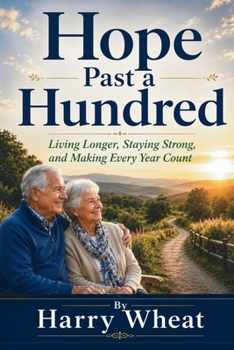
Hope Past a Hundred: Living Longer, Staying Strong, and Making Every Year Count
No Customer Reviews

Introduction
What does it really mean to live a long life?
For many people, the first answer is simple: reach one hundred years old.
A one-hundredth birthday is an extraordinary milestone. It represents a full century of mornings, seasons, relationships, celebrations, struggles, changes, and memories. But simply reaching a certain age is not the entire goal.
The quality of those years matters too.
Most of us do not simply want more birthdays. We want more good years. We want the strength to move, the ability to think clearly, the independence to make our own choices, the relationships that make life meaningful, and enough health to enjoy the time we are given.
That is the heart of Hope Past a Hundred.
This book does not promise that following a particular diet, taking a certain vitamin, or performing a specific exercise will allow you to live past one hundred. No one can make that promise. Genetics, health conditions, medical care, environment, chance, and many other factors influence how long a person lives.
But there are things we can influence.
We can choose what we eat.
We can choose to move our bodies.
We can work on our strength and balance.
We can make sleep a priority.
We can manage stress more carefully.
We can stay connected with family and friends.
We can keep our minds active.
We can work with our doctors instead of avoiding medical care.
We can reduce habits that damage our health.
We can continue searching for purpose.
And we can make room for faith, gratitude, laughter, and joy.
Those choices matter whether you are forty-five, sixty-five, eighty-five, or one hundred and five.
Aging Is Not the End of Living
Our culture often talks about aging as though it is something to fear.
People worry about wrinkles.
They worry about gray hair.
They worry about retirement.
They worry about becoming slower.
They worry about illness.
They worry about losing independence.
Some of those concerns are understandable. Growing older can bring real challenges. Bodies change. Energy levels may change. Friends and family members may be lost. Medical conditions may become more common.
But aging is not only about losing things.
It can also bring perspective.
You may understand yourself better than you did when you were younger.
You may know which arguments are worth having and which are not.
You may appreciate family more.
You may care less about impressing people.
You may understand how quickly time passes.
You may finally have the opportunity to enjoy things that work and responsibility once pushed aside.
Aging can become a season of wisdom, connection, creativity, faith, and purpose.
The Goal Is Healthy Years
There is an important difference between lifespan and healthspan.
Lifespan is simply how long you live.
Healthspan refers to the years you are able to live with relatively good health, function, and independence.
The goal of this book is not simply to chase lifespan.
It is to support healthspan.
If you live longer, you want to have the best chance possible of remaining involved in your own life.
You want to be able to participate.
To make decisions.
To enjoy family.
To keep learning.
To move as safely as possible.
To continue doing the things that matter to you.
That is why the chapters ahead focus on practical everyday habits rather than miracle cures.
Small Choices Add Up
People sometimes believe healthy living requires changing everything at once.
It does not.
A healthier life may begin with one glass of water.
One short walk.
One vegetable added to dinner.
One medical appointment you have been putting off.
One phone call to a friend.
One earlier bedtime.
One cigarette not smoked.
One moment of gratitude.
What does it really mean to live a long life?
For many people, the first answer is simple: reach one hundred years old.
A one-hundredth birthday is an extraordinary milestone. It represents a full century of mornings, seasons, relationships, celebrations, struggles, changes, and memories. But simply reaching a certain age is not the entire goal.
The quality of those years matters too.
Most of us do not simply want more birthdays. We want more good years. We want the strength to move, the ability to think clearly, the independence to make our own choices, the relationships that make life meaningful, and enough health to enjoy the time we are given.
That is the heart of Hope Past a Hundred.
This book does not promise that following a particular diet, taking a certain vitamin, or performing a specific exercise will allow you to live past one hundred. No one can make that promise. Genetics, health conditions, medical care, environment, chance, and many other factors influence how long a person lives.
But there are things we can influence.
We can choose what we eat.
We can choose to move our bodies.
We can work on our strength and balance.
We can make sleep a priority.
We can manage stress more carefully.
We can stay connected with family and friends.
We can keep our minds active.
We can work with our doctors instead of avoiding medical care.
We can reduce habits that damage our health.
We can continue searching for purpose.
And we can make room for faith, gratitude, laughter, and joy.
Those choices matter whether you are forty-five, sixty-five, eighty-five, or one hundred and five.
Aging Is Not the End of Living
Our culture often talks about aging as though it is something to fear.
People worry about wrinkles.
They worry about gray hair.
They worry about retirement.
They worry about becoming slower.
They worry about illness.
They worry about losing independence.
Some of those concerns are understandable. Growing older can bring real challenges. Bodies change. Energy levels may change. Friends and family members may be lost. Medical conditions may become more common.
But aging is not only about losing things.
It can also bring perspective.
You may understand yourself better than you did when you were younger.
You may know which arguments are worth having and which are not.
You may appreciate family more.
You may care less about impressing people.
You may understand how quickly time passes.
You may finally have the opportunity to enjoy things that work and responsibility once pushed aside.
Aging can become a season of wisdom, connection, creativity, faith, and purpose.
The Goal Is Healthy Years
There is an important difference between lifespan and healthspan.
Lifespan is simply how long you live.
Healthspan refers to the years you are able to live with relatively good health, function, and independence.
The goal of this book is not simply to chase lifespan.
It is to support healthspan.
If you live longer, you want to have the best chance possible of remaining involved in your own life.
You want to be able to participate.
To make decisions.
To enjoy family.
To keep learning.
To move as safely as possible.
To continue doing the things that matter to you.
That is why the chapters ahead focus on practical everyday habits rather than miracle cures.
Small Choices Add Up
People sometimes believe healthy living requires changing everything at once.
It does not.
A healthier life may begin with one glass of water.
One short walk.
One vegetable added to dinner.
One medical appointment you have been putting off.
One phone call to a friend.
One earlier bedtime.
One cigarette not smoked.
One moment of gratitude.
Format:Paperback
Language:English
ISBN:B0HGXJHZFP
ISBN13:9798170347230
Release Date:August 2026
Publisher:Independently published
Length:323 Pages
Weight:0.96 lbs.
Dimensions:9.0" x 0.7" x 6.0"
Customer Reviews
0 rating
Copyright © 2026 Thriftbooks.com
Terms of Use | Privacy Policy | Do Not Sell/Share My Personal Information | Cookie Policy | Cookie Preferences | Accessibility Statement
ThriftBooks ® and the ThriftBooks ® logo are registered trademarks of Thrift Books Global, LLC
ThriftBooks ® and the ThriftBooks ® logo are registered trademarks of Thrift Books Global, LLC
