


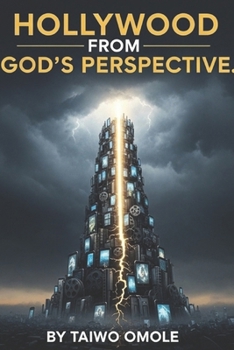
Hollywood From God's Perspective

The analysis positions Hollywood within Scripture's eschatological narrative, portraying it as an esoteric enterprise shaped by Enlightenment mysticism and Theosophical influences. Its spiritual foundations can be traced back to early 20th-century occult movements, which infused silent-era cinema with doctrines of reincarnation, ascended masters, and human divinity; ideas that have evolved into contemporary blockbusters. Through case studies of films and series such as Transformers, Lucifer, and Loki, the text illustrates how narratives invert biblical archetypes, depicting fallen celestial beings as heroes, sympathetic devils as protagonists, and rebellion as noble enlightenment, while desensitising audiences to violence.
However, the critique shifts to advocating for reclamation of storytelling as a prophetic weapon. Believers are urged to craft parables that dismantle Babylon's myths. Their responsibility is clear: reject the illusion of secular autonomy, discern the spirit of the age, and choose Yahweh amid cultural apostasy. The narrative culminates in Yahweh's abiding presence, guiding believers from affliction to reconciliation, reversing Babel's disinheritance through Christ's victory, where redeemed humanity judges angels and inherits co-regency in the renewed cosmos.
Customer Reviews
ThriftBooks ® and the ThriftBooks ® logo are registered trademarks of Thrift Books Global, LLC
