



Select Format
Select Condition 
Book Overview
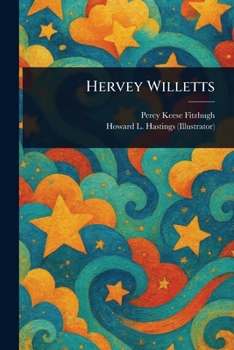
"Hervey Willetts" by Percy Keese Fitzhugh is a classic coming-of-age adventure story, perfect for readers who enjoy tales of boys and enduring friendship. This juvenile fiction explores the challenges and triumphs of youth as the title character navigates the world around him. A timeless story meticulously prepared for republication, this edition offers a glimpse into a bygone era of boyhood adventures. Fitzhugh's work captures the spirit of camaraderie and the excitement of growing up, solidifying its place in the canon of juvenile fiction. Explore the universal themes of friendship and self-discovery in this enduring tale that speaks to the adventurous spirit in us all. A captivating read for anyone interested in classic boys' stories.
This work has been selected by scholars as being culturally important, and is part of the knowledge base of civilization as we know it.
This work is in the public domain in the United States of America, and possibly other nations. Within the United States, you may freely copy and distribute this work, as no entity (individual or corporate) has a copyright on the body of the work.
Scholars believe, and we concur, that this work is important enough to be preserved, reproduced, and made generally available to the public. We appreciate your support of the preservation process, and thank you for being an important part of keeping this knowledge alive and relevant.
Customer Reviews
ThriftBooks ® and the ThriftBooks ® logo are registered trademarks of Thrift Books Global, LLC
