


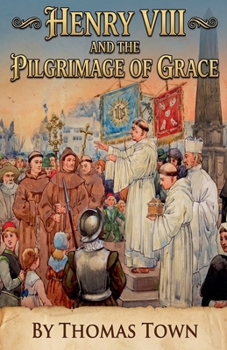
Henry VIII and the Pilgrimage of Grace

In October 1536 the bells of a Lincolnshire market town rang out in alarm, and within a fortnight thirty thousand armed men were marching across the North of England beneath the banner of the Five Wounds of Christ. They called themselves pilgrims, not rebels. They swore to defend God, the Church and the king, and to purge the royal council of the low-born men who were stripping their abbeys, threatening their parish churches and trampling their ancient liberties.
This vivid work of narrative history follows the Pilgrimage of Grace, the greatest rebellion Henry VIII ever faced, from its first spark at Louth to the gallows that ended it. At its heart stands Robert Aske, a Yorkshire lawyer who took York without bloodshed, faced down the king's army across the flooded River Don and drafted the North's demands for a different England. Around him move an aged crusader lord, a wavering archbishop, a woman sent to the fire at Smithfield and a king who smiled, gave gifts and promised pardon while planning his revenge.
The Pilgrims did not fail through weakness. They failed because they trusted the word of their king. This is the story of what that trust cost.
Customer Reviews
ThriftBooks ® and the ThriftBooks ® logo are registered trademarks of Thrift Books Global, LLC
