
Skip to content
Scan a barcode
Scan
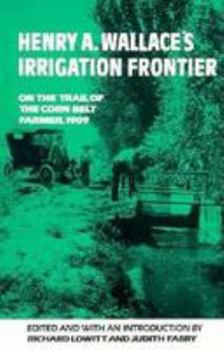
Paperback Henry A. Wallace's Irrigation Frontier: On the Trail of the Corn Belt Farmer, 1909 Volume 58 Book

ISBN: 0806139250

ISBN13: 9780806139258

Henry A. Wallace's Irrigation Frontier: On the Trail of the Corn Belt Farmer, 1909 Volume 58

Select Format

Select Condition ThriftBooks Help Icon

Recommended

Format: Paperback

Condition: New

$32.37
50 Available
Ships within 2-3 days

Book Overview

When Franklin D. Roosevelt's agriculture secretary and vice-president, Henry A. Wallace, had completed his junior year at Iowa State College in 1909, his family sent him on a western tour "in search of the Corn Belt farmer." Young Henry was to report to the family journal, Wallace's Farmer, how former Corn Belt farmers were prospering in the districts newly irrigated under public or private auspices, such as Arizona's Salt River, Idaho's Boise-Payette and Twin Falls, and farms on the Arkansas River near Garden City, Kansas.

Wallace's articles, collected and reprinted here for the first time, are lively descriptions of up-and-coming western locales such as Amarillo, Texas; Phoenix, Arizona; the orange groves of southern California; the San Joaquin and Sacramento valleys; and the Greeley District of Colorado. Along the way, the young reporter and agriculturist critiqued dry farming in Cheyenne, Wyoming, and wrestled calves on a Matador Land Company ranch in the Texas panhandle.

Henry Wallace made a specialty of down-home conversation with farmers and their wives and of cross-examining the real-estate agents who profited from the government's commitment to sell water rights to the new property owners. He wrote what today we call New History, concentrating on the impact of irrigation on individuals more than technology, law, or institutions.

Modern-day readers will prize Wallace's clear, expert analysis of the different environments that he visited and his farmer-conservationist ethic. Social historians will be interested as he explains how the closer proximity of irrigated farms and greater abundance of neighbors would produce prosperous communities with schools, roads, and social institutions better than most that then prevailed in America's rural regions. They will be fascinated to learn how the cooperative aspects of irrigation farming tempered the independence of the immigrants from the Corn Belt.

Customer Reviews

0 rating
Copyright © 2026 Thriftbooks.com Terms of Use | Privacy Policy | Do Not Sell/Share My Personal Information | Cookie Policy | Cookie Preferences | Accessibility Statement
ThriftBooks® and the ThriftBooks® logo are registered trademarks of Thrift Books Global, LLC

GoDaddy Verified and Secured
