


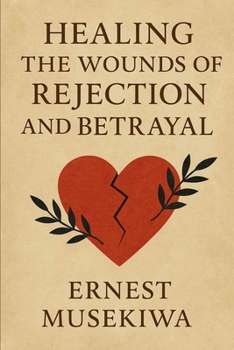
Healing the Wounds of Rejection and Betrayal

Rejection and betrayal leave wounds that are often unseen yet deeply felt. They affect how individuals think, love, trust, and engage with their destiny. Many people carry these wounds silently for years, believing that their pain is either too personal to speak of or too heavy to heal. But Scripture offers a different story, one in which God draws near to the brokenhearted and binds up their wounds with compassion and transformative grace.
In this volume of the Healing the Wounds Series, Ernest Musekiwa explores the emotional, spiritual, and relational impact of rejection with a depth that resonates across African communities and the global church. With long flowing reflections drawn from pastoral experience, biblical insight, and psychological understanding, he leads readers into a journey where pain is acknowledged, sorrow is honoured, and healing becomes possible.
This book guides the reader through the internalisation of rejection, the birth of self rejection, the breakdown of trust, the pain of betrayal, and the cycles that keep wounded individuals trapped in fear or emotional withdrawal. Yet at every step, it reveals how God restores identity, renews purpose, strengthens relationships, and rebuilds confidence. The journey is not one of quick solutions but of deep transformation through the love and truth of God.
Readers will find in these pages a companion for their healing journey, a theological and emotional guide that speaks to the complexities of African life while remaining anchored in the universal hope found in Christ. Whether you have suffered rejection in family, relationships, ministry, community, or within your own inner world, this book will show that God does not abandon His children in their pain. He walks with them, restores them, and writes a new story marked by resilience and renewed identity.
This volume is ideal for pastors, counsellors, small groups, and individuals seeking a biblically grounded and psychologically informed approach to emotional healing. It is a resource that will continue to speak long after the final page has been read.
Customer Reviews
ThriftBooks® and the ThriftBooks® logo are registered trademarks of Thrift Books Global, LLC
