


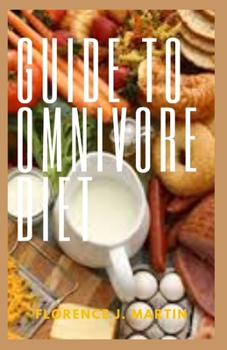
Guide to Omnivore Diet: It is a diet for both animal and plant based eaters
No Customer Reviews

A type of diet in which both animal and plant matter are the main food sourceAn omnivorous diet is a type of diet wherein the organism derives energy and nutrients by feeding on both animals and plants. In fact, the diet includes a wider range of food sources, such as fungi, algae, and certain microorganisms. Organisms that thrive on an omnivorous diet are called omnivores. The word is derived from Latin "omnes" (meaning all) and vorare (meaning to devour). Thus, they are also described to be an "all-eater". Examples of organisms with omnivorous diet are as follows: humans, chickens, emus, ostriches, rheas, robins, starlings, mice, opossums, pigs, rats, rhinoceroses, skunks, manatees, dolphins, ravens, raccoons, coyotes, wasps, flies, cockroaches, gorillas, chimpanzees, orang-utans, bonobos, monkeys, tarsiers, and lemurs. These organisms have distinct characteristics hinting that they are naturally taking an omnivorous diet. For instance, they lack specialized storage and digestive sacs (e.g. crops and fermenting vats) common in animals that are exclusively feeding on plants. These structures aid in the digestion of plant tissues, which can be more difficult to digest than animal tissues. Dentition is also an indication of the type of diet. Many meat-eaters tend to have sharper, longer teeth for tearing out flesh compared with the teeth of omnivores.
Format:Paperback
Language:English
ISBN:B089M5B3SC
ISBN13:9798652006761
Release Date:June 2020
Publisher:Independently Published
Length:66 Pages
Weight:0.19 lbs.
Dimensions:0.1" x 5.5" x 8.5"
Customer Reviews
0 rating
Copyright © 2026 Thriftbooks.com Terms of Use
| Privacy Policy | Do Not
Sell/Share My Personal Information | Cookie Policy | Cookie Preferences | Accessibility Statement
ThriftBooks® and the ThriftBooks® logo are registered trademarks of Thrift Books Global, LLC
ThriftBooks® and the ThriftBooks® logo are registered trademarks of Thrift Books Global, LLC
