


All Formats & Editions
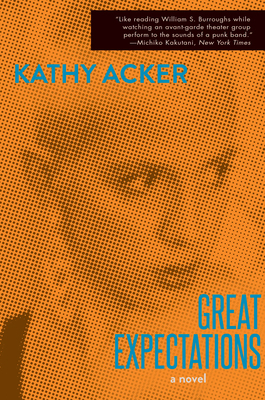
Great Expectations (Reissue)
Kathy Acker's practice of literary appropriation and pastiche made her notorious--as a rebel and a groundbreaker--when Great Expectations was first published in 1982. Here, she begins rewriting Charles Dickens's classic--splicing it with passages from Pierre Guyotat's...

Great Expectations: A Novel (Acker, Kathy)
Using postmodern form, Kathy Acker's Great Expectations moves her narrator through time, gender, and identity as it examines our era's cherished beliefs about life and art.

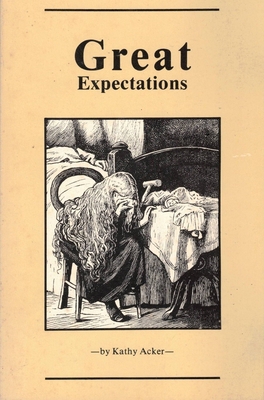
Great Expectations
This book begins when a young boy, Pip, learns he has come into great expectations. What these expectations actually are, or the change from the total disparity between Pip's ideas of 'expectations' and what is real to Pip's learning to feel, is the narrative of this plagiarized...


Great Expectations
Using postmodern form, Kathy Acker's Great Expectations moves her narrator through time, gender, and identity as it examines our era's cherished beliefs about life and art.

Great expectations
Using postmodern form, Kathy Acker's Great Expectations moves her narrator through time, gender, and identity as it examines our era's cherished beliefs about life and art.
ThriftBooks ® and the ThriftBooks ® logo are registered trademarks of Thrift Books Global, LLC
