


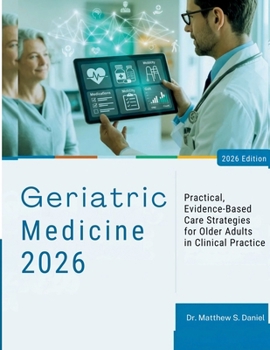
Geriatric Medicine: Practical, Evidence-Based Care Strategies for Older Adults in Clinical Practice

An older woman comes in after a fall. She looks "fine," but her daughter says she's been quieter than usual. Her medication list is long, her blood pressure is borderline, and she hasn't been eating well. A routine pain prescription could tip her into confusion. A missed dehydration problem could turn into a hospital stay. And if you don't ask the right questions now, you may not get a second chance to keep her safe.
This is the daily reality of caring for older adults. It's not just about diagnosing one condition. It's about seeing how everything connects-mobility, memory, mood, sleep, medicines, and the small changes that can lead to sudden decline.
That's why Geriatric Medicine was created.
In 2026, older-adult care demands a different kind of thinking. People are living longer with multiple health problems at the same time. Many take several medications, often prescribed by different providers. Frailty can make "normal" doses unsafe. Delirium can appear overnight. A fall can change a life in one moment. And transitions-home to hospital, hospital to rehab, rehab back home-are where many preventable problems begin.
This book was written to bring calm and clarity to those moments. It helps you make safer decisions, avoid common mistakes, and focus on outcomes that matter most to older adults: function, comfort, independence, and quality of life.
What makes this guide different is its practical focus. It doesn't assume older adults are simply "adults with more birthdays." It treats aging as its own clinical reality. It helps you see risk earlier, choose safer options, and support patients and families with clear, respectful care.
What you'll gain from this bookMake safer decisions for patients with multiple conditions at once, without missing what matters mostRecognize when a "small symptom" may be the start of delirium, infection, dehydration, medication harm, or rapid declineReduce falls and prevent repeat falls by focusing on strength, balance, vision, environment, and medication riskHandle polypharmacy with confidence-knowing what to question, what to simplify, and how to reduce harmAdjust care plans to frailty and changing physiology, so treatment helps instead of overwhelmsSupport mobility and daily function, not just disease control, so older adults stay independent longerCommunicate clearly with families and caregivers, especially during stressful decisions and changing goalsImprove care transitions by preventing common problems that happen after discharge or medication changesProvide patient-centered care that respects dignity and priorities, especially when cure is not the main goal
Who this book is forDoctors and residents who want better clinical judgment for older-adult careNurse practitioners and physician assistants managing complex older patients in any settingNurses who want stronger confidence in recognizing risk, preventing decline, and supporting recoveryPharmacists focused on medication safety, interactions, and deprescribing in agingMedical and allied health students who want real-world understanding, not just exam factsCaregivers and family members who want to understand care choices and advocate wisely
This book is for anyone who has ever thought, "I want to do the right thing, but I need clearer guidance for this patient."
Because in geriatric care, the goal isn't only to treat illness. It's to protect the person. Click BUY button now
Customer Reviews
ThriftBooks ® and the ThriftBooks ® logo are registered trademarks of Thrift Books Global, LLC
