


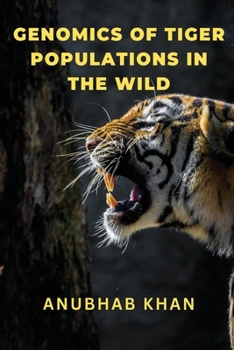
Genomics of Tiger Populations in the Wild

Demographic history dictates the expected inbreeding and genetic variation in
species. Across species range populations can have independent demographic
histories. This shapes the distribution of genetic variation and determines inbreeding
in individuals. This in in turn helps in managing expectations of inbreeding and
genetic variation in a species and helps prioritize populations in need of attention.
Here we estimate demographic history, genetic variation and inbreeding in tigers
using whole genome sequences of tigers from across the range. We sequence 4 out
of 5 five extant subspecies of tigers. We observe that Bengal tigers have the highest
genetic variation among tigers but also have high inbreeding on an average. We use
runs of homozygosity (ROH) to estimate the history of inbreeding in tigers and
correlate it to the demographic history. We observe that before the systematic and
organized bounty hunting of tigers about 200-220 years ago tigers across the range
had similar levels of inbreeding. Bengal tigers have high number of individuals with
recent inbreeding.
Within Bengal tigers, the large connected population of Central
India are at par with the world tigers while the small isolated population of North-
West Indian tigers appear to be the most inbred tigers globally in our dataset. Our
findings reiterate the importance of large connected habitat patches for species
survival and indicates that even large carnivores with huge dispersal ranges can be
heavily impacted by habitat loss and fragmentation.
Within species variance in inbreeding and genetic variation is influenced by
differences in demographic history. Across wolves for example Tibetan wolves
(Canis lupus chanco) have always existed as a small isolated population, this has
led to present individuals having low genetic variation and being highly inbred. Isle
Royal wolves on the other hand, have been a part of the historically large Minnesota
wolf population, host higher genetic variation and less inbred individuals compared to
Tibetian wolves. However, Isle Royale wolves have higher recent inbreeding than
Tibetian wolves. Minnesota wolves have higher genetic variation and less inbred
individuals than Isle Royale and Tibetan wolves . Similar patterns are also observed across Gorilla populations,
humans and Puma.
Customer Reviews
ThriftBooks® and the ThriftBooks® logo are registered trademarks of Thrift Books Global, LLC
