


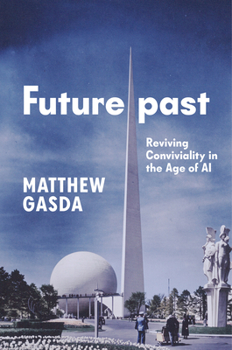
Futurepast: Reviving Conviviality in the Age of AI
No Customer Reviews

In Futurepast, Gasda argues that technology, privatization, and the culture of narcissism have systematically dismantled the social, spiritual, and physical infrastructure that made human life meaningful--from neighborhoods and churches to tools, rituals, and the capacity for attention itself.
The book draws on Lasch, Illich, Mumford, Alexander, and others to show that what we've lost wasn't inevitable collateral damage of progress but the result of specific choices about how we deploy tools, design spaces, and organize economies.
The latter half of the book proposes re-enchantment through a return to convivial tools, sacred architecture, village-scale community, and the recovery of practices (from silence to sacrifice to grace) that reconnect us to the body, the land, and each other.
Format:Hardcover
Language:English
ISBN:1641775343
ISBN13:9781641775342
Release Date:November 2026
Publisher:Encounter Books
Length:232 Pages
Customer Reviews
0 rating
Copyright © 2026 Thriftbooks.com
Terms of Use | Privacy Policy | Do Not Sell/Share My Personal Information | Cookie Notice | Cookie Preferences | Accessibility Statement
ThriftBooks ® and the ThriftBooks ® logo are registered trademarks of Thrift Books Global, LLC
ThriftBooks ® and the ThriftBooks ® logo are registered trademarks of Thrift Books Global, LLC
