


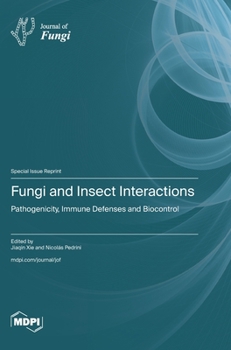
Fungi and Insect Interactions: Pathogenicity, Immune Defenses and Biocontrol

Insects represent the largest group of animals in nature and exert significant impacts on ecology, human health, and native flora and fauna. Naturally abundant entomopathogenic fungi play a crucial role in regulating insect populations through complex interactions with their hosts, and infect insects by attaching to, germinating on, and penetrating the host's cuticle, eventually proliferating within the insect's body and tissues. In response, host insects have evolved diverse defense strategies, including physical barriers, immune responses, microbial symbionts, and behavioral adaptations. Beyond their role in natural ecosystems, entomopathogenic fungi are valuable in biological pest control, often leading to host mortality. They can also function as facultative saprophytes in soil and enhance plant resistance to herbivores when established as endophytes. Although the general mechanisms underlying fungal-insect interactions are well-characterized, many molecular, physiological, and behavioral aspects remain unclear; thus, further investigation into these interactions in specific contexts promises to yield valuable and broad insights. This is a reprint of the Special Issue published in Journal of Fungi titled Fungi and Insect Interactions: Pathogenicity, Immune Defenses and Biocontrol.
Customer Reviews
ThriftBooks ® and the ThriftBooks ® logo are registered trademarks of Thrift Books Global, LLC
