


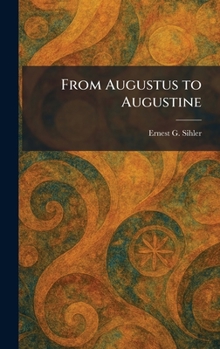
From Augustus to Augustine

"From Augustus to Augustine" is a profound scholarly examination of the spiritual and cultural transformation of the Roman world over several centuries. This work explores the monumental transition from the establishment of the Roman Principate under Augustus to the flourishing of Christian theology embodied by the life and works of Augustine of Hippo. The text meticulously traces the intellectual and moral trajectory of the Mediterranean world as it moved away from the traditions of pagan antiquity toward the dominance of the Christian faith.
Ernest G. Sihler provides a series of insightful studies that analyze the philosophical shifts, social tensions, and religious developments of the period. By examining the intersection of classical Hellenism and emerging Christian doctrines, the author illustrates how the Roman social fabric was reshaped by new theological perspectives. The book offers a rigorous historical account of the decline of old Roman virtues and the rise of a new spiritual order that would eventually define Western civilization. "From Augustus to Augustine" is an essential resource for those interested in ancient history, the history of religion, and the enduring legacy of the Roman Empire during its most transformative era.
This work has been selected by scholars as being culturally important, and is part of the knowledge base of civilization as we know it. This work was reproduced from the original artifact, and remains as true to the original work as possible. Therefore, you may see the original copyright references, library stamps (as most of these works have been housed in our most important libraries around the world), and other notations in the work.
This work is in the public domain in the United States of America, and possibly other nations. Within the United States, you may freely copy and distribute this work, as no entity (individual or corporate) has a copyright on the body of the work.
As a reproduction of a historical artifact, this work may contain missing or blurred pages, poor pictures, errant marks, etc. Scholars believe, and we concur, that this work is important enough to be preserved, reproduced, and made generally available to the public. We appreciate your support of the preservation process, and thank you for being an important part of keeping this knowledge alive and relevant.
Customer Reviews
ThriftBooks ® and the ThriftBooks ® logo are registered trademarks of Thrift Books Global, LLC
