


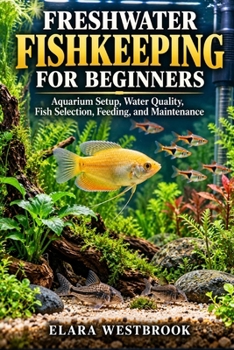
Freshwater Fishkeeping for Beginners: Aquarium Setup, Water Quality, Fish Selection, Feeding, and Maintenance

Build a healthy, attractive home aquarium with confidence-even if you have never kept aquatic pets before.
A successful aquarium begins long before its inhabitants are introduced. Understanding filtration, cycling, temperature, compatibility, nutrition, cleaning routines, and environmental stability can make the difference between constant problems and an enjoyable, manageable hobby.
FRESHWATER FISHKEEPING FOR BEGINNERS provides a clear, practical introduction to creating and managing a thriving aquatic environment from the ground up.
Inside, You Will Learn: How to choose an appropriate aquarium size and locationWhich essential equipment you need to get startedHow filtration, heating, lighting, and circulation work togetherWhy the nitrogen cycle is essential before stockingHow to understand pH, ammonia, nitrite, nitrate, and temperatureHow to choose suitable species for a new communityWhy adult size, temperament, and compatibility matterHow to introduce new inhabitants with less unnecessary stressHow to establish sensible nutrition and portion routinesHow live plants, decorations, and hiding areas can improve the environmentHow to perform partial changes and routine cleaningHow to recognize common signs that something may be wrongHow to avoid overstocking and overfeedingHow to establish a simple weekly and monthly routineHow to troubleshoot common problems without constantly disrupting the systemStart With a Stable FoundationOne of the most important lessons for a new aquarist is that a home aquarium is a living system. This guide explains biological cycling and filtration in straightforward language, helping you understand why patience and stability matter.
Choose Compatible InhabitantsNot every attractive species belongs in the same community. Adult size, temperament, swimming space, social needs, and environmental requirements should all influence your choices. Learning these principles can help you build a more harmonious aquatic community.
Make Routine Care ManageableKeeping an aquarium should not require constant intervention. With appropriate equipment and consistent habits, routine management becomes much simpler. You will learn how to develop practical schedules for cleaning, monitoring conditions, nutrition, and general observation.
Whether you are planning your first home aquarium or trying to improve an existing one, this book provides the essential foundation for becoming a more knowledgeable and confident aquarist.
Start with the right foundation, build a balanced aquatic community, and discover the rewards of a thriving home aquarium.
Customer Reviews
ThriftBooks ® and the ThriftBooks ® logo are registered trademarks of Thrift Books Global, LLC
