


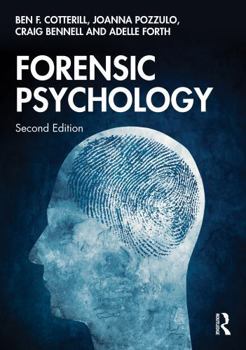
Forensic Psychology

Forensic Psychology provides an in-depth, broad-based overview of this complex and important area of study.
The book begins by introducing the field of forensic psychology. It explains the difference between clinical and experimental approaches and identifies some of the major milestones that have marked the evolution and expansion of forensic psychology as an area of study. It looks in detail at topics that might be discussed in traditional social and cognitive psychology courses- including eyewitness testimony, jury decision making, and police procedures- as well as those more clinical in nature such as the meaning of competency to stand trial, mentally disordered offenders, and sex offenders. This new edition includes up-to-date material on psychopathy, female sex offenders, and firesetting, as well as an expanded section on stalking. It also features a new chapter on the influences of criminal behavior. By focusing on multidisciplinary theories, the book gives readers an understanding of different forensic psychology areas and the interplay among cognitive, biological, and social factors.
Rich in pedagogical features which include chapter-opening vignettes, learning objectives, researcher profiles and end-of-chapter summaries, this textbook will be an essential resource for undergraduate students.
Customer Reviews
ThriftBooks ® and the ThriftBooks ® logo are registered trademarks of Thrift Books Global, LLC
