


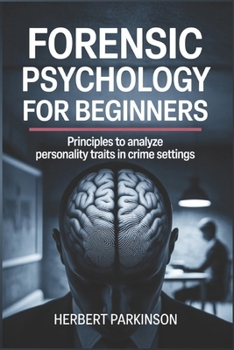
Forensic Psychology for Beginners: Principles to Analyze Personality Traits in Crime Settings

Forensic Psychology for Beginners: Principles to Analyze Personality Traits in Crime Settings
By Herbert Parkinson
Step into the world where psychology meets the law.
In Forensic Psychology for Beginners, Herbert Parkinson offers a compelling and accessible introduction to the psychological principles used to understand, assess, and analyze criminal behavior. Designed for curious readers, students, and true crime enthusiasts alike, this book breaks down complex psychological theories and forensic techniques into practical, easy-to-follow concepts.
Through detailed explanations, real-world case studies, and thought-provoking insights, you'll explore the role of personality traits, mental disorders, and behavioral patterns in the context of crime. Learn how forensic psychologists evaluate risk, profile offenders, and contribute to criminal investigations and legal proceedings.
Inside this book, you'll discover:
The core personality traits linked to criminal behavior
An overview of major personality disorders and their forensic relevance
The psychological underpinnings of impulsivity, aggression, and manipulation
Notable criminal cases that highlight key forensic principles
How early behavioral patterns can predict future offenses
Ethical challenges and responsibilities in forensic psychology
Tools and techniques used in profiling and risk assessment
Whether you're interested in pursuing a career in forensic psychology or simply fascinated by what makes criminals tick, Forensic Psychology for Beginners provides a solid foundation for understanding the minds behind the crimes.
Clear, engaging, and deeply informative-this guide offers the first step into a captivating and critical field.
Customer Reviews
ThriftBooks ® and the ThriftBooks ® logo are registered trademarks of Thrift Books Global, LLC
