


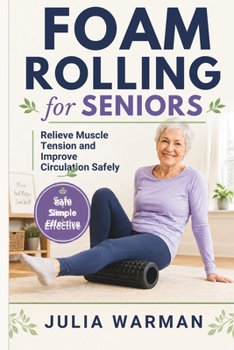
Foam Rolling for Seniors: Relieve Muscle Tension and Improve Circulation Safely

Do stiff muscles, tender spots, or post-activity soreness make it harder to move comfortably and enjoy your daily routine?
Would you like to try foam rolling but worry that most instructions are designed for athletes rather than older adults?
Discover a Gentler Way to Roll, Release, and MoveGardening, walking, climbing stairs, sitting for long periods, and ordinary household tasks can leave your muscles feeling tight or tired. Foam rolling may offer a practical way to support mobility, ease temporary muscle tension, and complement an active lifestyle.
But where should you begin?
Which roller should you choose? How much pressure is appropriate? Which areas are safe to roll? And how can you adapt each movement when getting onto the floor, supporting your weight, or maintaining balance is difficult?
Foam Rolling for Seniors answers these questions with clear explanations, illustrated techniques, and routines created specifically for older beginners.
This book is for you if:
Your muscles often feel stiff or tight
You want a gentle addition to your mobility or recovery routine
Traditional foam-rolling exercises feel too intense
You are unsure how much pressure to apply
You need alternatives for limited strength, flexibility, or balance
You want short routines you can practise at home
Inside, you will discover:
What foam rolling is and what it may realistically help you accomplish
When to seek medical or professional clearance before starting
Essential safety rules for protecting sensitive areas
How to choose an appropriate roller, firmness, size, and texture
Simple household alternatives for selected techniques
How to position your body and control pressure comfortably
A guided five-minute introduction to help you become familiar with your roller
Easy warm-up movements for preparing your body
Step-by-step techniques for the feet, calves, thighs, hips, and glutes
Gentle approaches for the upper back, chest, and shoulders
Important precautions for the lower back and neck
How to cool down after a session
Ways to determine how often, when, and how long to roll
A weekly routine featuring lower-body, upper-body, full-body, and optional recovery sessions
Targeted routines for common areas of stiffness around the back, knees, hips, and feet
How to adjust a movement when it feels uncomfortable or difficult
Warning signs that mean you should stop and seek professional advice
You do not need to be athletic, flexible, or experienced. You can begin with a few minutes, use lighter pressure, and adapt the techniques to your comfort and mobility.
Even if you have never used a foam roller, find floor exercises challenging, or worry about doing the movements incorrectly, this guide will help you begin gradually and confidently.
Foam rolling is not a cure or a substitute for medical care. Results vary, and some conditions or medications make professional clearance especially important.
Give tired, tight muscles a little attention and make gentle foam rolling part of a safer, more comfortable movement routine.
Scroll up and click Buy Now to begin foam rolling with greater confidence today.
Customer Reviews
ThriftBooks ® and the ThriftBooks ® logo are registered trademarks of Thrift Books Global, LLC
