


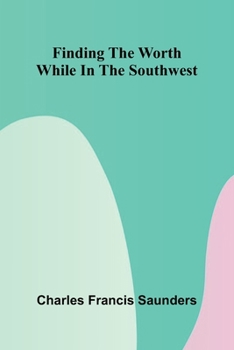
Finding the Worth While in the Southwest
No Customer Reviews

Select Format
Select Condition 
Book Overview
Discover the magic of the Southwest like never before in "Finding the Worth While in the Southwest," a timeless travel guide that has been out of print for decades and is now beautifully republished by Alpha Editions. This edition is not just a reprint; it s a collector s item and a cultural treasure, meticulously restored for today s and future generations. Embark on a journey through breathtaking landscapes, rich history, and vibrant cultures as you explore hidden gems in the Southwest. From outdoor adventures and historical sites to local cuisine and sustainable travel tips, this book offers a comprehensive look at what makes the Southwest a must-visit destination. Experience the thrill of Southwest road trips, immerse yourself in nature photography, and uncover cultural experiences that resonate deeply with both casual readers and classic literature collectors. With its captivating prose and insightful observations, "Finding the Worth While in the Southwest" invites you to appreciate the beauty and significance of this remarkable region. Whether you re planning your next adventure or simply dreaming of the open road, this book is your essential guide to discovering the worth while in the Southwest. Don t miss your chance to own this literary gem and be inspired by the wonders that await you
Format:Paperback
Language:English
ISBN:9369876782
ISBN13:9789369876785
Release Date:August 2025
Publisher:Alpha Edition
Length:124 Pages
Weight:0.39 lbs.
Dimensions:0.3" x 6.0" x 9.0"
Related Subjects
History Literary Literary Criticism & Collections Literature Literature & Fiction TravelCustomer Reviews
0 rating
Copyright © 2026 Thriftbooks.com
Terms of Use | Privacy Policy | Do Not Sell/Share My Personal Information | Cookie Policy | Cookie Preferences | Accessibility Statement
ThriftBooks ® and the ThriftBooks ® logo are registered trademarks of Thrift Books Global, LLC
ThriftBooks ® and the ThriftBooks ® logo are registered trademarks of Thrift Books Global, LLC
