


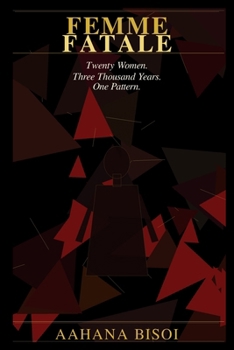
Femme Fatale: Twenty Women. Three Thousand Years. One Pattern.

What do you call a woman who is effective?
Not good. Not obedient. Not successful within the categories already assigned to her. A woman who looks at the world built around her - its laws, its hierarchies, its careful arrangements of who may hold power - and finds a way through it anyway.
For three thousand years, the answer has been the same word: dangerous.
Femme Fatale traces twenty women across myth, history, and legend - from ancient Judea to Tudor England, from Tang Dynasty China to colonial India - to uncover a pattern that repeats without exception. When women influence power in ways systems cannot explain, the systems reach for a label. Treacherous. Manipulative. Monstrous. Seductive. Fatal.
This book reads past the label to the mechanism underneath.
Judith weaponised expectation. Esther weaponised timing. Delilah weaponised patience. Scheherazade weaponised narrative. Wu Zetian weaponised legitimacy. Rani Lakshmibai weaponised defiance. Each woman used the only tools her world left available. Each was called something other than capable for doing it.
Femme Fatale is not a collection of biographies. It is an argument - made twenty times, across thirty centuries, in twenty different worlds - that the word "fatal" was never about these women being dangerous.
It was about the systems around them being afraid.
Twenty women. Three thousand years. One pattern.
Customer Reviews
ThriftBooks ® and the ThriftBooks ® logo are registered trademarks of Thrift Books Global, LLC
