


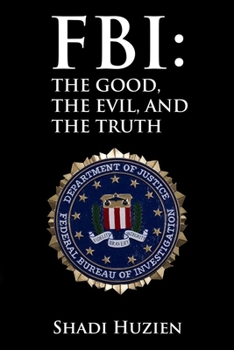
FBI: The Good, The Evil, and The Truth

Additional chapters provide structured walkthroughs of investigative workflows, showing how evidence is gathered, reviewed, documented, and challenged across multiple levels of authority. Readers are introduced to the practical mechanics behind major case development, including intake procedures, verification steps, interagency coordination, and review protocols that influence final findings.
The book also explains how document interpretation evolves over time as new records are released and prior conclusions are reassessed. By comparing early reports with later disclosures, readers can see how understanding changes when additional context becomes available. This layered approach helps clarify why public debate often continues long after an investigation is considered closed.
Readers will also gain insight into record keeping systems, archive search methods, and disclosure frameworks that determine when and how materials become accessible. Topics include redaction standards, staged releases, review thresholds, and the legal pathways used to request document access. These explanations make complex transparency processes easier to understand.
Practical reading guides within the book help readers evaluate investigative documents more effectively by identifying sourcing indicators, context markers, and analytical limits. This empowers readers to distinguish between confirmed records, disputed interpretations, and unresolved questions.
The writing style remains balanced and structured, presenting material in organized sections that support careful review rather than emotional reaction. Each topic area is supported by context notes and process explanations so readers can follow the reasoning behind investigative outcomes.
This volume is especially valuable for readers interested in intelligence procedure, federal case development, document review methodology, and oversight structures. It supports independent evaluation and critical thinking by focusing on how investigations function rather than promoting predetermined conclusions.
For readers who want a methodical and document centered exploration of investigative records and oversight processes, this book offers depth, clarity, and analytical perspective throughout.
Readers will discover how investigative documentation is evaluated, how intelligence reports are structured, and how review panels assess findings across multiple stages of oversight. The book outlines the lifecycle of major federal investigations from initial inquiry through documentation, supervisory review, public reporting, and archive release. This structured approach helps readers understand how conclusions are formed and why differing interpretations can persist.
Extended sections explain intelligence analysis methods, case file organization, evidentiary standards, and cross agency review practices. By presenting investigative mechanics in plain language, the book makes complex government and intelligence procedures accessible to general readers while still useful for research minded audiences.
The text also explores transparency law, disclosure rules, archive access procedures, and records management systems that shape what information becomes available to the public. Readers learn how document requests, staged releases, and review thresholds influence the timing and scope of public disclosure.
Multiple case style examples illustrate how investigative questions are framed, how conflicting evidence is weighed, and how analytical limitations are documented. This gives readers practical tools for reading investigation records with greater clarity and critical awareness.
Designed for readers interested in intelligence records, federal investigations, classified document releases, oversight review, political era case studies, and government accountability research, this book delivers organized analysis and document centered discussion.
Customer Reviews
ThriftBooks ® and the ThriftBooks ® logo are registered trademarks of Thrift Books Global, LLC
