


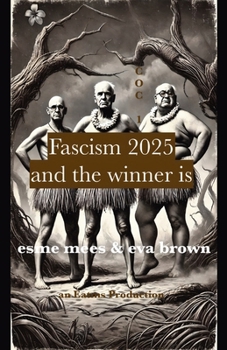
Fascism 2025: And the Winner Is

Fascism 2025 is a direct, global analysis of how fascism has adapted to the present moment. It argues that authoritarianism no longer arrives mainly through spectacle, uniforms, or overt declarations, but through data systems, corporate power, disinformation, captured courts, billionaire influence, and the seamless merger of political extremism with everyday life. Instead of treating fascism as a historical category safely locked in the past, this book shows how it now moves through governments, industries, media ecosystems, financial systems, and technological infrastructure across the world.
The book is organized to make that argument legible. It tracks the global face of fascism across North America, Europe, South America, Africa, Asia, and Oceania, then turns to the industries that sustain it: tech, energy, climate, media, finance, and healthcare. From there, it moves toward opposition, laying out the Rising TIDE framework as a strategy for replacing rather than merely protesting systems built on greed, control, and manufactured confusion. This is not a vague alarm book. It is a structural reading of fascism as it exists now, paired with a counter-strategy aimed at disruption, decentralization, and collective power.
The artwork is not incidental here. The book includes black-and-white photographs of deteriorating playground toys by Esme Mees, and that choice gives the project a haunted, unsettling atmosphere. Rusting slides, weathered animals, broken play structures, and abandoned fragments of childhood turn the images into a quiet visual argument of their own. They suggest neglect, corrosion, innocence under threat, and a social order willing to let the future decay in plain sight. Rather than simply illustrating the text, the photographs deepen its emotional register, making the book feel less like a stream of current-events commentary and more like a record of civic and moral collapse.
For readers thinking about fascism, authoritarianism, Christian nationalism, surveillance, propaganda, corporate power, climate breakdown, global politics, and anti-fascist strategy, Fascism 2025 offers a sharp place to start. It is angry, readable, and deliberately expansive, but it also has shape. By combining global analysis, industry-level critique, strategic opposition, and stark visual atmosphere, it becomes more than a warning. It becomes a map of the system and an argument for replacing it.
Customer Reviews
ThriftBooks® and the ThriftBooks® logo are registered trademarks of Thrift Books Global, LLC
