


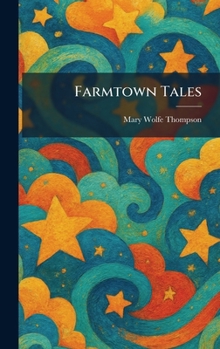
Farmtown Tales

"Farmtown Tales" is a delightful collection of stories that brings the bustling world of a rural farm to life through the eyes of its animal inhabitants. These charming narratives invite young readers into a community where animals have their own unique personalities and adventures. From the daily rhythms of the barnyard to the small dramas of field and forest, each tale captures the whimsy and wonder of the natural world.
The work stands as a classic example of early 20th-century children's literature, emphasizing themes of friendship, curiosity, and the interconnectedness of farm life. Mary Wolfe Thompson's storytelling is both gentle and engaging, making it an ideal choice for reading aloud or for early readers discovering the joys of fiction. By humanizing the creatures of the farm, the author fosters a sense of empathy and appreciation for animals, all while providing entertaining glimpses into the sights and sounds of the countryside. "Farmtown Tales" remains a heartwarming exploration of childhood imagination and the enduring appeal of stories set in the great outdoors.
This work has been selected by scholars as being culturally important, and is part of the knowledge base of civilization as we know it. This work was reproduced from the original artifact, and remains as true to the original work as possible. Therefore, you may see the original copyright references, library stamps (as most of these works have been housed in our most important libraries around the world), and other notations in the work.
This work is in the public domain in the United States of America, and possibly other nations. Within the United States, you may freely copy and distribute this work, as no entity (individual or corporate) has a copyright on the body of the work.
As a reproduction of a historical artifact, this work may contain missing or blurred pages, poor pictures, errant marks, etc. Scholars believe, and we concur, that this work is important enough to be preserved, reproduced, and made generally available to the public. We appreciate your support of the preservation process, and thank you for being an important part of keeping this knowledge alive and relevant.
Customer Reviews
ThriftBooks ® and the ThriftBooks ® logo are registered trademarks of Thrift Books Global, LLC
