


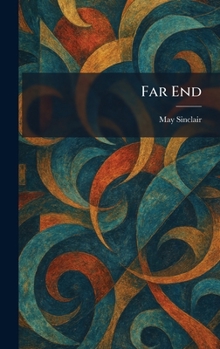
Far End

"Far End" is a compelling exploration of the complexities of marriage, artistic ambition, and the subtle shifts of human emotion. Written by the acclaimed modernist author May Sinclair, the novel follows the lives of Christopher and Hilda Vivart as they navigate the challenges of domesticity and the pursuit of a creative life. Set against the backdrop of an idyllic countryside home, the story delves into the psychological undercurrents of a couple whose initial happiness is tested by the realities of time and the intrusion of outside influences.
Sinclair, a pioneer in the use of stream-of-consciousness and a master of psychological depth, examines the tension between professional dedication and personal loyalty. As Christopher seeks to balance his identity as a writer with his role as a husband, the narrative captures the fragile nature of intimacy and the quiet tragedies that can occur within a household. "Far End" stands as a significant work in the early 20th-century literary landscape, offering a nuanced and insightful look at the interior lives of its characters. It remains a poignant study of the domestic sphere and the enduring search for connection in an ever-changing world.
This work has been selected by scholars as being culturally important, and is part of the knowledge base of civilization as we know it. This work was reproduced from the original artifact, and remains as true to the original work as possible. Therefore, you may see the original copyright references, library stamps (as most of these works have been housed in our most important libraries around the world), and other notations in the work.
This work is in the public domain in the United States of America, and possibly other nations. Within the United States, you may freely copy and distribute this work, as no entity (individual or corporate) has a copyright on the body of the work.
As a reproduction of a historical artifact, this work may contain missing or blurred pages, poor pictures, errant marks, etc. Scholars believe, and we concur, that this work is important enough to be preserved, reproduced, and made generally available to the public. We appreciate your support of the preservation process, and thank you for being an important part of keeping this knowledge alive and relevant.
Customer Reviews
ThriftBooks ® and the ThriftBooks ® logo are registered trademarks of Thrift Books Global, LLC
