


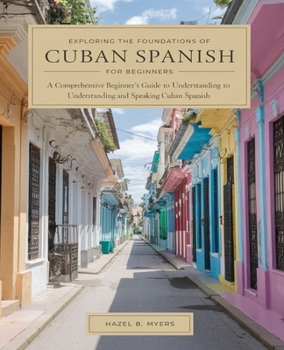
Exploring the Foundations of Cuban Spanish for beginners: A Comprehensive Guide for New Learners and Enthusiasts
No Customer Reviews

Cuban Spanish is a rich and vibrant dialect that reflects the island's unique history, culture, and people. As someone who has had the pleasure of immersing myself in Cuban culture through travel and friendships, I can tell you that learning Cuban Spanish is an exciting journey filled with nuances that set it apart from other Spanish-speaking regions. One of the first things you'll notice about Cuban Spanish is its rhythm and musicality. The way Cubans speak is often lively and animated, which mirrors the island's vibrant music scene. I remember sitting in a small caf in Havana, listening to a group of locals chatting and laughing. Their conversations flowed like the salsa music playing in the background, filled with expressions and slang that I found both charming and challenging. When it comes to vocabulary, Cuban Spanish has its own flair. While many words are similar to those used in other Spanish-speaking countries, there are distinct terms that you won't find elsewhere. For example, instead of saying "autob s" for bus, Cubans often use "guagua." This can be a bit confusing at first, but it's also part of the fun of learning. I recall my first encounter with the term when a friend casually mentioned catching a guagua to the beach. It took me a moment to realize we were talking about the same thing Pronunciation is another aspect that makes Cuban Spanish unique. The dropping of the "s" at the end of syllables can be quite pronounced, and the way certain consonants are pronounced can vary significantly from other dialects. I found this particularly interesting when I tried to mimic the accent. At first, I sounded more like a tourist than a local, but with practice and encouragement from friends, I began to feel more confident. Cuban Spanish is also heavily influenced by African languages, thanks to the island's rich history of Afro-Cuban culture. This influence is evident in the music, dance, and even in some of the local expressions. I remember attending a lively rumba in the streets of Santiago de Cuba, where the fusion of Spanish and African rhythms came alive. It was a reminder of how language evolves and incorporates elements from different cultures. For new learners, I recommend engaging with native speakers as much as possible. There are numerous language exchange apps and platforms that connect you with Cubans eager to share their language and culture. I've used these tools to practice my Spanish, and the experience has been invaluable. Not only do you learn the language, but you also gain insights into the daily life and traditions of the Cuban people. In conclusion, diving into Cuban Spanish is more than just learning a language; it's about embracing a culture that is rich, diverse, and full of life. Whether you're planning a trip to Cuba or simply want to connect with Cuban friends, understanding this dialect will enhance your experience. So, grab a book, find a language partner, and let the rhythm of Cuban Spanish sweep you off your feet
Format:Paperback
Language:English
ISBN:B0DMZ94WC1
ISBN13:9798346635260
Release Date:November 2024
Publisher:Independently Published
Length:214 Pages
Weight:0.83 lbs.
Dimensions:0.5" x 7.5" x 9.3"
Customer Reviews
0 rating
Copyright © 2025 Thriftbooks.com
Terms of Use | Privacy Policy | Do Not Sell/Share My Personal Information | Cookie Policy | Cookie Preferences | Accessibility Statement
ThriftBooks ® and the ThriftBooks ® logo are registered trademarks of Thrift Books Global, LLC
ThriftBooks ® and the ThriftBooks ® logo are registered trademarks of Thrift Books Global, LLC
