


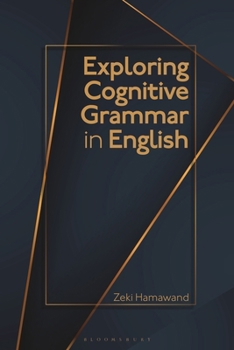
Exploring Cognitive Grammar in English
No Customer Reviews

This introduction to cognitive grammar takes a cognitive linguistic approach to an important area of language study, linking grammatical structure to cognitive processes. With a focus on cognitive syntax, it provides students with the analytical tools needed to understand and apply core cognitive principles to real-world linguistic data, bridging the gap between theory and practice.
The author delves into the fundamental concepts of cognitive grammar, such as conceptual semantics and construal, and analyses various aspects of language structure, including simple and complex temporal and atemporal relations. He offers an in-depth exploration of how language structure is shaped by our cognitive processes, investigating how language reflects general aspects of cognition and is influenced by our mental and sociocultural experiences. As well as engaging with examples and exercises that reinforce key concepts and encourage critical thinking, this comprehensive guide:- explains the principles of cognitive grammar and how they are applied to understand language structure and meaning
- familiarises students with key concepts in cognitive grammar
- introduces the theories behind language cognition
- elaborates on principles for effective analysis of grammatical structures
- equips students with the tools to analyse language structures and understand the techniques used to interpret them. Exploring Cognitive Grammar in English is an essential resource for mastering cognitive grammar, offering students a comprehensive and practical guide to understanding the cognitive underpinnings of language.
Format:Hardcover
Language:English
ISBN:1350567086
ISBN13:9781350567085
Release Date:October 2026
Publisher:Bloomsbury Academic
Length:320 Pages
Weight:1.11 lbs.
Dimensions:1.1" x 6.1" x 9.2"
Related Subjects
Language ArtsCustomer Reviews
0 rating
Copyright © 2026 Thriftbooks.com Terms of Use
| Privacy Policy | Do Not
Sell/Share My Personal Information | Cookie Policy | Cookie Preferences | Accessibility Statement
ThriftBooks® and the ThriftBooks® logo are registered trademarks of Thrift Books Global, LLC
ThriftBooks® and the ThriftBooks® logo are registered trademarks of Thrift Books Global, LLC
