


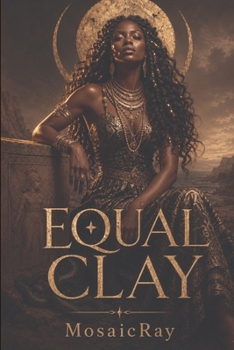
Equal Clay

Lilith remembers the soil as warm. She remembers Adam rising beside her-not before her, not above her, but from the same clay in the same moment.
For a while, equality requires no argument. They name the garden together, drink from the same water, and move through a world that has not yet invented hierarchy. Then small assumptions begin gathering weight: Adam chooses the path, offers what he has already decided is his to give, takes more space without noticing, and finally tells Lilith she should lie beneath him.
Her refusal is not rebellion against creation. It is an insistence on remembering it accurately.
Equal Clay: A Novel of Lilith is a literary mythological retelling about equality, power, naming, consent, and the difference between a story preserved for centuries and the person who remembers living inside it.
Customer Reviews
ThriftBooks ® and the ThriftBooks ® logo are registered trademarks of Thrift Books Global, LLC
