


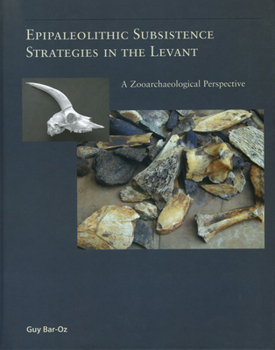
Epipaleolithic Subsistence Strategies in the Levant: A Zooarchaeological Perspective
No Customer Reviews

Knowledge of the Levantine Epipaleolithic period plays a critical role in understanding the transition from nomadic hunter-gatherer foraging groups to sedentary communities on the threshold of agriculture. In this study, Bar-Oz has clarified many aspects of the relationship between Epipaleolithic foragers and their prey. The Epipaleolithic foragers all utilized similar hunting methods, as evidenced by culling patterns they used for gazelle and fallow deer. Multivariate inter-site zooarchaeological and taphonomic research from a single geographical area and ecological setting (the coastal plain of Israel) provides important records of the Epipaleolithic cultural sequence. A wide variety of data highlights uniform patterns of cultural and economic behaviors related to food procurement and processing strategies and demonstrates cultural continuity in subsistence strategies within the Levantine Epipaleolithic sequence.
Format:Hardcover
Language:English
ISBN:0391042238
ISBN13:9780391042230
Release Date:August 2004
Publisher:Brill
Length:154 Pages
Weight:1.36 lbs.
Dimensions:0.6" x 7.9" x 10.6"
Customer Reviews
0 rating
Copyright © 2026 Thriftbooks.com Terms of Use
| Privacy Policy | Do Not
Sell/Share My Personal Information | Cookie Policy | Cookie Preferences | Accessibility Statement
ThriftBooks® and the ThriftBooks® logo are registered trademarks of Thrift Books Global, LLC
ThriftBooks® and the ThriftBooks® logo are registered trademarks of Thrift Books Global, LLC
