


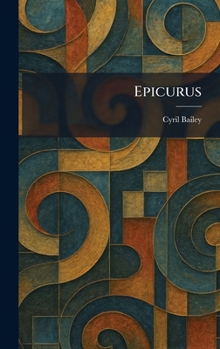
Epicurus

"Epicurus" is a definitive study and presentation of the fragments and philosophy of the celebrated Greek thinker, Epicurus. Written by the distinguished scholar Cyril Bailey, this work meticulously examines the core tenets of Epicureanism, providing a comprehensive overview of its physical theories, ethical doctrines, and the pursuit of a life free from fear and pain. Through careful analysis of surviving texts and letters, the book illuminates Epicurus's revolutionary ideas on the nature of the universe, the composition of atoms, and the importance of empirical observation.
Central to this exploration is the Epicurean emphasis on ataraxia-a state of serene detachment-and the role of friendship and simple pleasures in achieving true happiness. Bailey delves into the philosopher's rejection of divine intervention and his rational approach to understanding the world, which laid the groundwork for much of subsequent Western scientific and moral thought. This scholarly yet accessible volume remains an indispensable resource for anyone seeking to understand the enduring legacy of one of antiquity's most influential figures and the school of thought that bears his name.
This work has been selected by scholars as being culturally important, and is part of the knowledge base of civilization as we know it. This work was reproduced from the original artifact, and remains as true to the original work as possible. Therefore, you may see the original copyright references, library stamps (as most of these works have been housed in our most important libraries around the world), and other notations in the work.
This work is in the public domain in the United States of America, and possibly other nations. Within the United States, you may freely copy and distribute this work, as no entity (individual or corporate) has a copyright on the body of the work.
As a reproduction of a historical artifact, this work may contain missing or blurred pages, poor pictures, errant marks, etc. Scholars believe, and we concur, that this work is important enough to be preserved, reproduced, and made generally available to the public. We appreciate your support of the preservation process, and thank you for being an important part of keeping this knowledge alive and relevant.
Related Subjects
PhilosophyCustomer Reviews
ThriftBooks ® and the ThriftBooks ® logo are registered trademarks of Thrift Books Global, LLC
