


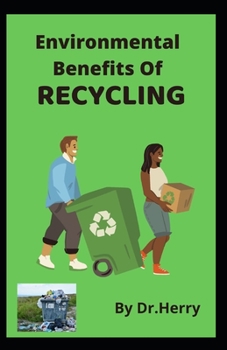
Environmental benefits of recycling
No Customer Reviews

It takes a lot of energy to convert raw materials (such as wood, oil, ore) into finished products (such as paper, plastic, or metal). Products that are recycled often need significantly less processing to transform them into useful resources, therefore the energy required to do so is reduced. It lessens the emission of greenhouse gases and the waste of valuable energy, water, and other resources. Sixty-two percent of Stanford's garbage was diverted from landfills via recycling, composting, and other means. Less garbage is disposed of in landfills and incinerators as a result. By diverting waste from landfills and incinerators, recycling also lessens the impact that mining has on the environment. Helps preserve essential resources like trees and water. Aids in the Preservation of Nature... Raw materials must be mined, refined, and processed before they can be used in the production of finished goods. Recycling has numerous positive outcomes, including lowering GHG emissions and bolstering local economies via the generation of new income and employment opportunities. Water and air quality improvement are additional benefits of recycling programmes, which are also essential components of sustainable development.
Format:Paperback
Language:English
ISBN:B0BCSH4RZ5
ISBN13:9798849947228
Release Date:September 2022
Publisher:Independently Published
Length:74 Pages
Weight:0.21 lbs.
Dimensions:0.1" x 5.5" x 8.5"
Related Subjects
LawCustomer Reviews
0 rating
Copyright © 2026 Thriftbooks.com
Terms of Use | Privacy Policy | Do Not Sell/Share My Personal Information | Cookie Policy | Cookie Preferences | Accessibility Statement
ThriftBooks ® and the ThriftBooks ® logo are registered trademarks of Thrift Books Global, LLC
ThriftBooks ® and the ThriftBooks ® logo are registered trademarks of Thrift Books Global, LLC
