


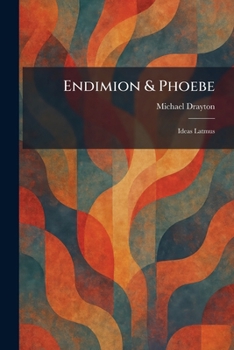
Endimion & Phoebe: Ideas Latmus

"Endimion & Phoebe" is a masterful mythological narrative poem by Michael Drayton, representing a pinnacle of late Elizabethan literature. Drawing upon classical Greek myth, the work centers on the celestial romance between the mortal shepherd Endymion and the moon goddess Phoebe. Set upon the slopes of Mount Latmus, the narrative unfolds through a series of divine encounters that explore the boundaries between mortal longing and immortal beauty.
Written in the tradition of the epyllion-a short narrative poem-Drayton's work is celebrated for its lush pastoral descriptions, intricate allegory, and sophisticated verse. The poem follows Phoebe as she descends to earth in disguise to win the heart of the beautiful shepherd, ultimately leading to a mystical union that symbolizes the elevation of the soul. As a significant contemporary to the works of Marlowe and Shakespeare, "Endimion & Phoebe" offers profound insight into the Renaissance obsession with antiquity and the transformative power of love. This work remains an essential study for those interested in the development of English poetic forms and the enduring influence of classical mythology on the literary imagination.
This work has been selected by scholars as being culturally important, and is part of the knowledge base of civilization as we know it. This work was reproduced from the original artifact, and remains as true to the original work as possible. Therefore, you may see the original copyright references, library stamps (as most of these works have been housed in our most important libraries around the world), and other notations in the work.
This work is in the public domain in the United States of America, and possibly other nations. Within the United States, you may freely copy and distribute this work, as no entity (individual or corporate) has a copyright on the body of the work.
As a reproduction of a historical artifact, this work may contain missing or blurred pages, poor pictures, errant marks, etc. Scholars believe, and we concur, that this work is important enough to be preserved, reproduced, and made generally available to the public. We appreciate your support of the preservation process, and thank you for being an important part of keeping this knowledge alive and relevant.
Related Subjects
PoetryCustomer Reviews
ThriftBooks ® and the ThriftBooks ® logo are registered trademarks of Thrift Books Global, LLC
