


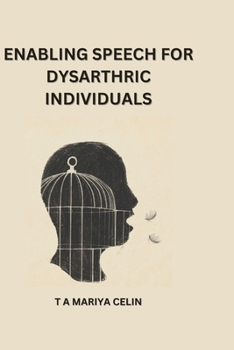
Enabling speech for dysarthric individuals
No Customer Reviews

Enabling speech for dysarthric individuals refers to the process of assisting and enhancing communication for individuals who have dysarthria, a motor speech disorder that affects the production of speech sounds. Dysarthria can result from various conditions, such as neurological disorders, brain injuries, or muscular impairments.The aim of enabling speech for dysarthric individuals is to help them overcome or compensate for the difficulties they experience in articulating words and conveying their thoughts verbally. Here is a description of the approaches and technologies commonly used to enable speech for dysarthric individuals: 1. Augmentative and Alternative Communication (AAC): AAC involves using tools and techniques to support or replace verbal speech. It includes low-tech options such as communication boards with pictures or symbols, as well as high-tech solutions like speech-generating devices (SGDs) that can generate synthesized speech based on user input.2. Speech Therapy: Speech-language pathologists (SLPs) work with dysarthric individuals to improve their speech intelligibility and overall communication skills. Therapy may include exercises to strengthen oral muscles, breathing techniques, and strategies to improve articulation and voice control.3. Assistive Technology: Various assistive devices and technologies are available to aid individuals with dysarthria. These can include voice amplifiers, speech-to-text software, word prediction software, and apps designed specifically for communication and speech support.4. Voice Banking: For individuals with progressive conditions that may eventually lead to a complete loss of speech, voice banking allows them to record and preserve their own voice. The recordings can later be used to create personalized synthetic voices for use with speech-generating devices.5. Multimodal Communication: In addition to speech, dysarthric individuals may use other means of communication to supplement or replace verbal output. This can include gestures, facial expressions, sign language, and written communication.6. Environmental Modifications: Creating a supportive environment can significantly improve communication for individuals with dysarthria. This may involve reducing background noise, ensuring good lighting, using visual cues or prompts, and fostering effective communication strategies among communication partners.Enabling speech for dysarthric individuals is a multidimensional process that combines therapeutic interventions, assistive technologies, and supportive strategies to maximize their ability to express themselves verbally. The specific approach may vary based on individual needs, preferences, and the underlying cause and severity of dysarthria. It is important to work closely with professionals, such as speech-language pathologists and assistive technology specialists, to develop a comprehensive plan tailored to each person's unique requirements.
Format:Paperback
Language:English
ISBN:7003377799
ISBN13:9787003377797
Release Date:June 2023
Publisher:Hights Publishers
Length:164 Pages
Weight:0.50 lbs.
Dimensions:0.3" x 6.0" x 9.0"
Customer Reviews
0 rating
Copyright © 2026 Thriftbooks.com Terms of Use
| Privacy Policy | Do Not
Sell/Share My Personal Information | Cookie Policy | Cookie Preferences | Accessibility Statement
ThriftBooks® and the ThriftBooks® logo are registered trademarks of Thrift Books Global, LLC
ThriftBooks® and the ThriftBooks® logo are registered trademarks of Thrift Books Global, LLC
