


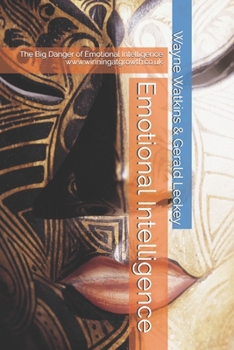
Emotional Intelligence: The Big Danger of Emotional Intelligence

Introduction: What is Emotional Intelligence?
When most people think of intelligence, their minds go straight to IQ-logic, memory, and problem-solving ability. Yet over the past few decades, researchers and leaders have recognized something equally powerful: emotional intelligence.
The term first appeared in 1964 in a paper by Michael Beldoch, but it wasn't until Daniel Goleman's 1995 bestseller Emotional Intelligence that the concept captured global attention. Since then, it has transformed how we view leadership, communication, and personal growth.
At its core, emotional intelligence-often called EI or EQ-is about how we perceive, understand, manage, and use emotions. Far more than being "good with people," it is a skillset that can be broken down into four key areas:
Awareness - Recognizing emotions in yourself and others.
Understanding - Analyzing emotions, their roots, and their impact.
Control - Managing your emotional responses in healthy, effective ways.
Empathy - Connecting with and relating to the emotions of others.
These areas might sound straightforward, but that's the trap. Because emotions are part of daily life, it's easy to assume we already understand them well. In truth, emotional intelligence demands deliberate attention and practice. Like any skill, it can be sharpened and strengthened over time.
Take awareness, for example. It's not enough to notice when someone seems "angry" or "sad." Most of us experience a mix of emotions at once-fear layered with frustration, or disappointment wrapped in anxiety. People with strong EI identify these subtle blends rather than glossing over them with simple labels. Just as important is being emotionally honest with yourself-recognizing and naming what you feel without denial or distortion.
The next step is understanding. Emotions don't exist in isolation; they have causes and consequences. A sharp word from a colleague may not just sting in the moment but could echo into future interactions. High EI means analyzing these patterns: tracing feelings back to their roots, predicting how they might unfold, and appreciating their impact on decisions and relationships.
From there comes control-the ability to regulate how you respond. This isn't about suppressing emotions, but directing them productively. Anger can fuel determination, nervous energy can sharpen focus-if managed wisely.
Finally, EI comes alive in empathy: the capacity to step into another's perspective and genuinely connect with their emotions. This is what turns managers into inspiring leaders, acquaintances into friends, and fragile relationships into enduring ones.
The most encouraging truth about emotional intelligence is that it is not fixed. While some people seem naturally empathetic or composed, anyone can improve their EI with awareness and practice. Whether you want to advance your career, build stronger relationships, or simply better understand yourself, emotional intelligence provides a practical framework.
This book will serve as your guide to developing that framework. Together we will explore the science, strategies, and real-world applications of emotional intelligence. By the end, you will not only understand what EI is, but also how to use it to unlock your full potential-personally, professionally, and socially.
Customer Reviews
ThriftBooks ® and the ThriftBooks ® logo are registered trademarks of Thrift Books Global, LLC
