


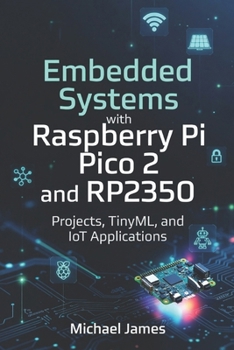
Embedded Systems with Raspberry Pi Pico 2 and RP2350: Projects, TinyML, and IoT Applications

From the first GPIO blink to fully autonomous, secure, low-power, edge-intelligent systems that run for years on harvested energy.
This is not another beginner tutorial collection or dry academic textbook. It is a complete, battle-tested progression written by someone who has built, broken, and deployed these exact systems in the real world.
I walk you through every step as if we're sitting together at the workbench:
Master the RP2350 hardware - GPIO, ADC, PWM, PIO, I C/SPI/UARTInterface real sensors and actuators - BME280, MQ gas, MPU6050, motors, servos, relaysAdd local intelligence - TinyML inference, event detection, state machinesConnect wirelessly - BLE, Wi-Fi, MQTT, dashboardsSecure everything - secure boot, OTP keys, encrypted comms, RFID/NFC authenticationOptimize for power - deep sleep, harvesting, supercap bufferingIntegrate it all - modular architecture, PCB design, debugging large systemsEach chapter builds toward five capstone projects that combine the concepts:
Smart home automation that survives Wi-Fi outagesTinyML edge AI device that detects anomalies offlineAutonomous robot with line-following, obstacle avoidance, and gesture controlIoT multi-sensor hub that manages a network of low-power nodesSolar-powered remote monitoring station that runs indefinitelyWith clear code snippets, wiring diagrams, troubleshooting checklists, hardware/software references, and honest accounts of what broke and how I fixed it, this book equips you to design reliable, production-grade embedded systems - not just prototypes.
Whether you're a student, hobbyist, engineer, or professional, if you want to go from blinking an LED to building secure, intelligent, long-lived IoT devices, this is the guide I've always wished existed.
Build boldly. Measure carefully. Make it last.
Customer Reviews
ThriftBooks ® and the ThriftBooks ® logo are registered trademarks of Thrift Books Global, LLC
